
Remembering you comes in waves…and tonight I am drowning.
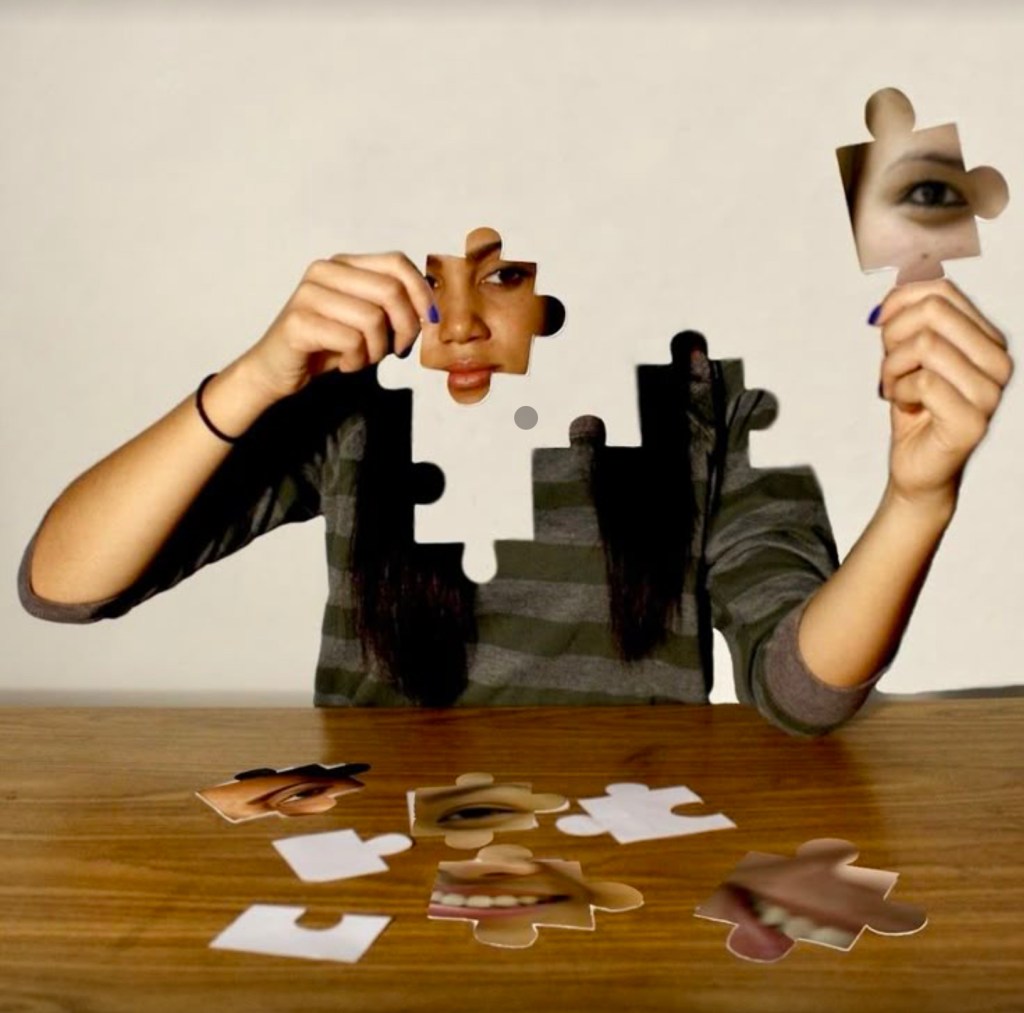
Yesterday someone told me that we are not living in the past, we are learning and unlearning our lessons and that has to be one of the most relatable thing I have heard in a long time. Our past is what makes us- whether we accept it or not. The nature of your first friendship at school affects the way you interact with people your age upto a certain point. The place you grow up in, the school you go to, the people you surround yourself with- you pick up bits and pieces of everything as you go through life. I believe we are all like jigsaw puzzles- made of a million pieces, all in harmony- to create a unique blend of a person.
But is it always in our best interest? What I mean to ask is- the habits, the memories, the nuances we carry within us- does it always help us build a better life or can it become an obstacle somewhere down the lane? I believe that it’s both. As we move forward, it becomes clear that not every part of our past is meant to accompany us. Some memories serve as gentle reminders of how far we’ve come, while others quietly weigh us down, making each step forward a little heavier than it needs to be. Habits born out of survival or heartbreak can, over time, harden into patterns that no longer protect us but instead confine us. And yet, even these burdens have shaped us in ways that are deeply human. They have taught us resilience, compassion, and patience—even if, at times, through pain.
Life, it seems, is an endless dance between holding on and letting go. There’s a kind of art to knowing which parts of your story to weave into your present and which ones to leave respectfully in the past. It’s not about erasing anything, but about understanding that healing often means rewriting the narrative we once accepted as final. Growth asks us to be both tender with who we were and brave enough to imagine who we can still become.
There are some loves you never truly outgrow. Once you have loved someone in your early years and gotten your heart broken, the remnants of that relationship don’t simply disappear—they settle quietly inside you, shaping the way you love forever. Even years later, if you notice a pattern in your new partner that even remotely resembles your past lover, something inside you stirs. Without meaning to, you go into self-destruct mode. You react instinctively, clinging to old fears rather than giving yourself the chance to realize that this time, it could be different. You make decisions rooted in memory, not the present moment.
And that’s the heartbreak within heartbreak: once you have truly known someone and cared for them deeply, you are forever intertwined with them in ways you don’t always understand. Even when you no longer think about them consciously, one misstep, one misunderstanding, can catapult you right back to those long-forgotten days—back to the ache you thought you had outgrown.
Is it fair to your new partner—to bear the weight of wounds they didn’t cause? Maybe not. Are we aware of this unfairness? Absolutely. But knowing doesn’t always make it easier. Sometimes, it’s not a choice at all. It’s a reflex, an invisible shield we raise before we can even name what we’re protecting ourselves from. And when the dust settles, when the anger and fear quiet down, we are left hoping—desperately—that this time, love will stay. That despite our attempts to push it away, someone will choose to understand us, to stand beside us through the ruins.
Healing is messy. It’s not a straight line or a single, sweeping act of closure. It’s a tug-of-war between the person you were when you were hurt and the person you are trying so hard to become. Loving again after heartbreak demands more than courage—it demands radical self-awareness and a deep, patient kindness, both for yourself and for those who dare to love you despite the splinters. Every new relationship carries a quiet, trembling hope: that we are not too broken, that love can outlast the echoes of old pain.
Maybe that’s what real love looks like—not perfect, not untouched by the past, but resilient enough to build something beautiful in spite of it. Maybe real love is choosing, every day, to believe in the possibility of healing. Maybe that’s how we finally set ourselves free—not by forgetting where we’ve been, but by daring to hope for where we can still go and maybe, just maybe, finally relate to these words:
And by mornin’
Gone was any trace of you, I think I am finally clean.




 Penny's World
Let me know your thoughts