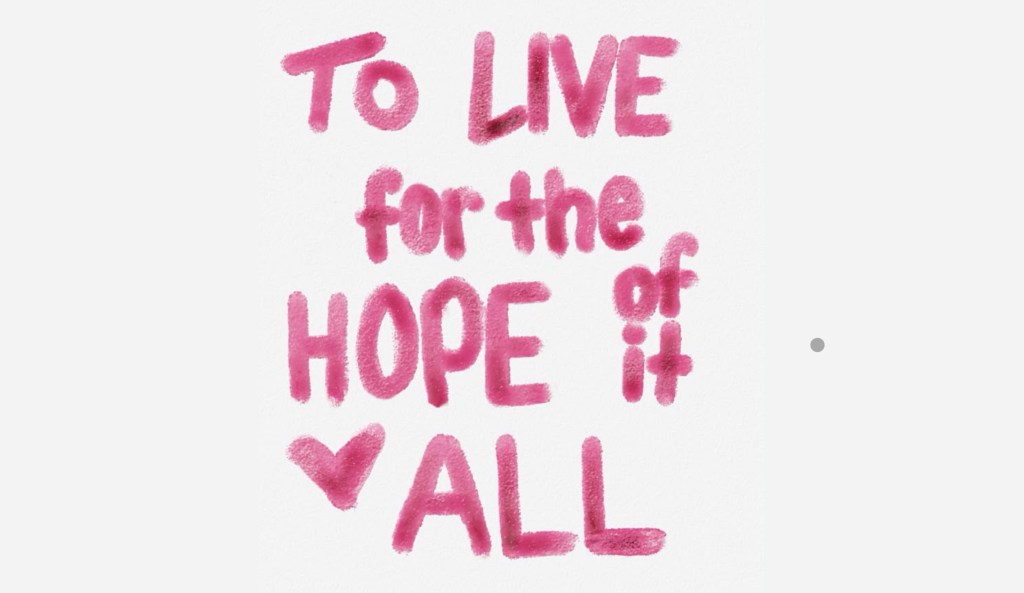
Tag: love

  • The Vow

    I have always loved the idea of wedding vows. No matter how the marriage ends, imagine loving someone so much that you write several words and read it out in front of hundreds of people. While I don’t see myself getting to do this anytime soon, I will pen this down for the man who is apparently meant for me.

    Dear you,

    It’s November 24th, 2025 and I’m in my apartment alone. My eyes are tired as I write this- but what’s tired when it comes to love right? So here goes:

    This might be several years later as I stand in front of you today

    Draped in my Sabyasachi wedding saree and you in your Manish Malhotra wedding outfit

    I know it’s real because we have our closest people right here with us

    But also because my heart’s finally at ease

    It’s not racing anymore. It’s finally resting, knowing that I have found someone who’s kind to my heart and soul

    You’re someone who loves me like it’s breathing and is stubborn enough to love me on days when I’m being difficult

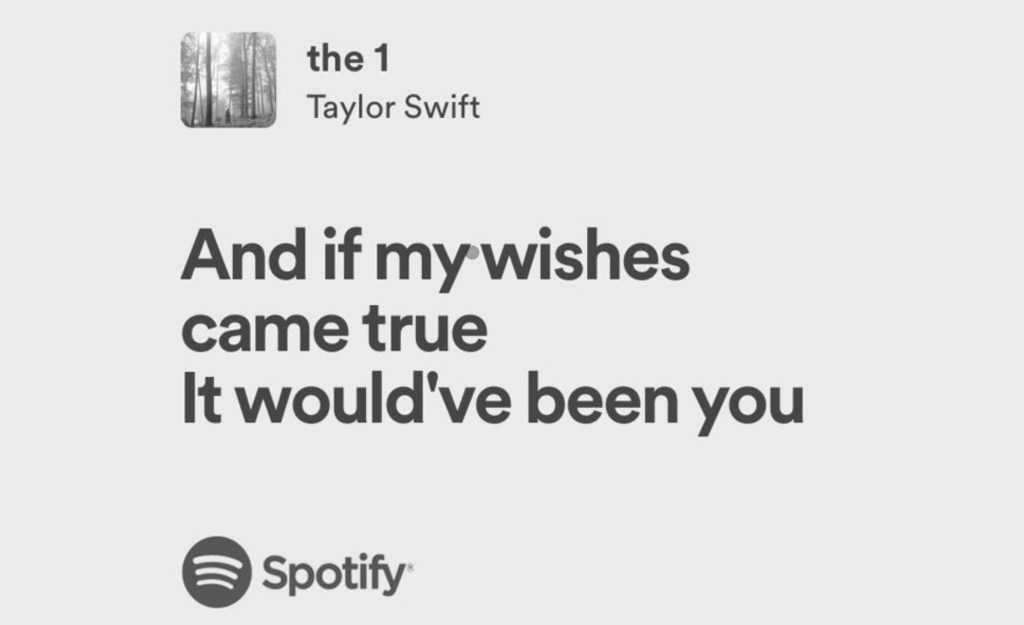
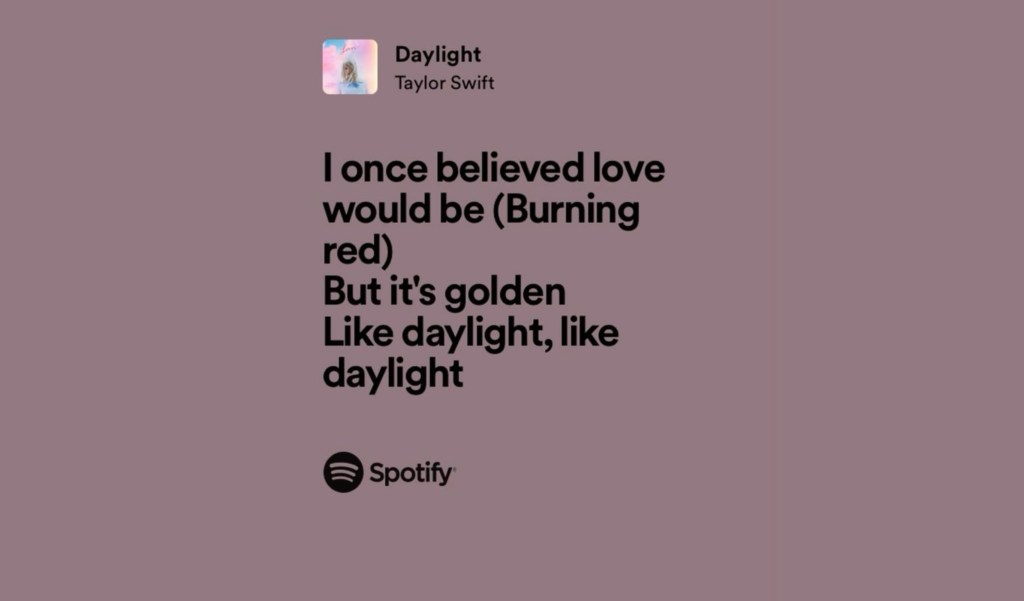
    You listen to me talk endlessly about Taylor and her lyricism and know that I’ll always love her a teeny bit more than I love you.

    You’re my Chandler telling me that the world can call me high maintenance but you like maintaining me

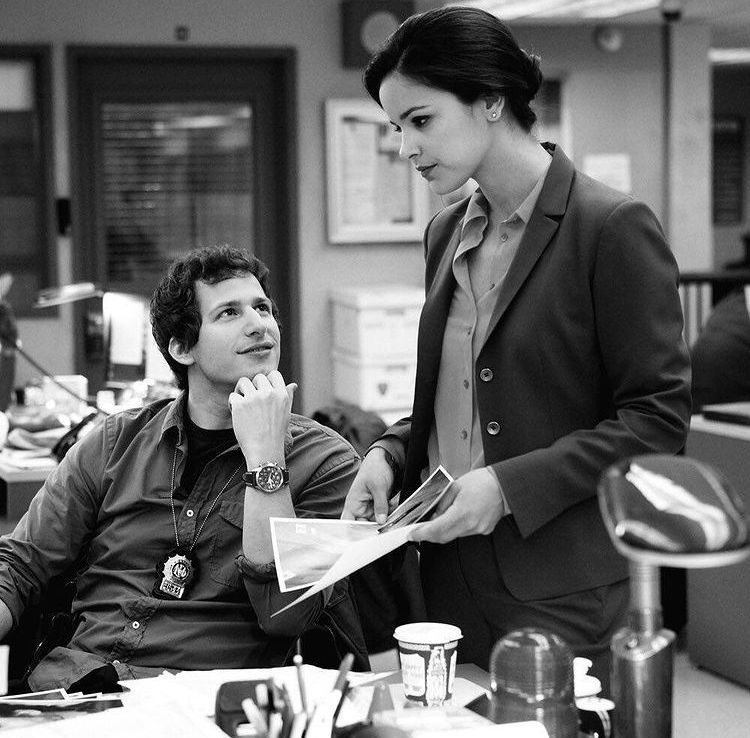
    You’re my Jake surprising me just when I thought you have lost the ability to surprise me, by proposing me out of the blue!

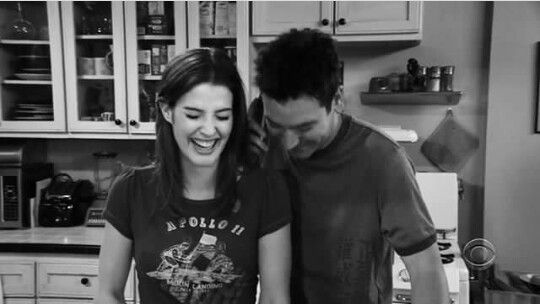
    You’re my Ted who will steal the Blue French Horn just because I stated once I liked it

    You’re my Travis because you’re my human exclamation point!

    You’re the person who makes me say that I’ll marry you with paper rings even when I love shiny things

    And you’re nerdy enough to understand all of this!

    I’m nowhere close to being Monica, Amy, Robin or Taylor- but I am good at being one thing- and that’s yours.

    I’m grateful to have found you in this mayhem called life

    You’re everything my heart had hoped for. You’re the person I’ve been writing about since I was a teenager going to college.

    You’re the person who makes me laugh and cry from it.

    You’re the person who comes up to me and says “Let’s figure this out” because the love we have is greater than whatever argument we had.

    You’re the person who makes me fall in love with literature more because I see how you light up when we talk about Dostoevsky or Kafka or Plath.

    You’re my person.

    I guess what I’m trying to say is you’re everything and more

    And nothing like the ones I have met before.

    From yours,

    Penny ♥️

    I am no where close to finding love like this as I write this. But I really hope that when I finally find you, my life sounds like this. That you sound like exactly what I’ve written here. And if you’re reading this right now, I hope our paths cross soon- because I can’t wait to meet the man who makes my life sound like peace.

  • The Chokehold

    Circa July '25
Lord of the Drinks

    Last night, the cigarette burned like my soul
    Slowly and in vain.
    That slow burn that used to give peace- it’s killing me now.
    The made-up love that once was peace- is now the torment my heart can no longer take.
    Half-breaths and half-alive but never half in love. Never the person with one foot out the door- when in love.
    Burning. I’m burning in vain and killing myself- slowly.
    Do they see me burn? Do they see me burn? Do they?
    Do you?
    Do you see my agony?
    An ivy wrapping my throat- choking me to death. Much like your love.
    Or are you blind to my greys still?
    Should I’ve been more obvious with my love? Or did I stifle you with my intensity?
    Is that too many questions?
    My mind keeps going down the spiral- do you see me ruin myself in the hopes of your love?

  • The Last Meeting

    It’s a random Friday afternoon, and “Phiriye Dewar Gaan” hums faintly from my phone — soft, almost hesitant, like it knows it’s trespassing into old memories. I let it play anyway. Music has a way of finding the ghosts we’ve learned to live with. And just like that, I’m back in March of this year.

    You were the breath of fresh air my heart had been craving for without knowing it. The kind that fills the lungs too suddenly, makes the chest ache a little, and yet feels like survival. You arrived without warning — no build-up, no grand beginning. Just a quiet entry into my world, and somehow, everything after that felt different.

    I still remember how it started — how your name lit up my phone screen for the first time, how ordinary that moment was, and how it would later hold extraordinary weight. We talked about small things at first: the weather, favorite songs, movies that felt like memories. And then, before I knew it, you had slipped past the guarded edges of my heart, making yourself at home in its unlit corners.

    It wasn’t dramatic — it was gentle, like sunlight seeping in through curtains. I wished for us to last, you know? I really did. I wanted us to survive the shifting seasons, the uncertainties, the inevitable distances. I pictured us in all the tomorrows I hadn’t lived yet. I wanted to believe that maybe, just maybe, some stories don’t have to end.

    But life — or fate, or timing, or whatever name we give the cruel poetry of it all — had other plans.

    I think about that last meeting often. It’s strange how you never really know it’s the last one until much later. You walk into it thinking there will be more — more conversations, more laughter, more days that begin with your name and end with your voice. You don’t realize you’re standing in the final scene until the credits start to roll in hindsight and the director shouts “CUT!”

    That day, I remember, the sky was undecided — half cloudy, half sunlit, like it couldn’t choose between holding on or letting go. We met as we always did- all our friends around us, easily, naturally. I remember your smile — not the bright, carefree one, but the softer one, tinged with something I didn’t have the courage to name. We spoke like everything was normal, like we weren’t already fading. And maybe that’s what made it harder.

    I didn’t know that it was the last time I’d hear your voice the way I knew it then. I didn’t know it would be the last time your name would feel warm on my tongue, before it turned into a quiet ache I’d carry silently. I didn’t know it was the last time you’d look at me and see us– and not two people who were no longer reading the same book. Not a person who was too much for you. Not a person who was easy to let go, and easier to forget.

    And yet, the universe, in all its irony, decided that my birthday would be the last day our worlds touched. I sometimes think about that — how the day meant for beginnings became an ending – in itself. I don’t know how it happened — how our laughter turned to distance, how comfort turned to silence. But there it is: my birthday, frozen in time as the day I unknowingly said goodbye to someone I was still wishing to meet again.

    There are nights when I replay our story like a reel — fragments of conversations, laughter echoing through late hours, words that now feel too tender to touch. You live in me like that — as a montage of the polaroid pictures we never took. The almosts, the nearlys, the could-have-beens. If I close my eyes, I can still see them — blurry snapshots of a love that never found its way into permanence. A love that only lived in my mind and not yours.

    Sometimes, I wonder if you remember me too — not as a person, maybe, but as a feeling. A fleeting comfort. A familiar tune that plays unexpectedly and pulls you back for a second before fading into background noise. I wonder if certain songs still remind you of the me you let slip through.

    It’s funny, isn’t it? How something that felt infinite can shrink into memory, into something you carry like an old ticket stub from a concert that once changed you. I don’t hate it anymore — the ending, the silence, the distance. I’ve made peace with it. Some stories aren’t meant to last; they’re meant to move you. To make you see yourself differently.

    You will always live in me — not as a wound, but as a quiet part of my becoming. You were the reminder that I could feel deeply, that I could still be undone by beauty. You were the fleeting season that made everything else pale in comparison.

    So here I am, months later, on a random Friday, with that same song playing — not to mourn, but to remember. To smile at the memory of us, blurry and unfinished, but real.

    Because maybe that’s all love really is — a series of beautiful moments, stitched together by the ache of knowing they can’t last. And you, you will always be my favorite unfinished story.

    Somewhere, in a parallel universe, maybe we did take those polaroids.
    Maybe we stayed.
    But here, in this one, I’ll keep you as you are — a soft blur of laughter, light, and the faint echo of “Phiriye Dewar Gaan” on a random Friday afternoon.

  • Dear You

    This is the hundredth time I’ve promised myself—
    the hundredth time I’ve said this will be the last piece about you.
    And still, here I am,
    pen trembling, dragging your ghost into the margins of another night.
    How did it all crumble this fast?
    Why did you look like forever
    when you were always meant to be a moment?
    Why did you resemble love so closely
    when you were never supposed to be the love for me?
    I circle these questions like a prayer wheel,
    as if turning them over might summon an answer.
    But all I find is silence—
    the kind that bruises louder than words ever could.
    They say repetition dulls the ache,
    but each time I write you, it cuts deeper,
    like breaking the same bone again and again.
    Maybe I keep writing because I’m afraid—
    afraid that if I stop,
    you’ll vanish completely,
    and then what would all this hurt have been for?
    So this is the hundredth time,
    the thousandth time—
    me, trying to turn you into words
    when all you ever left me with
    was silence.

  • An Ode to Calcutta…

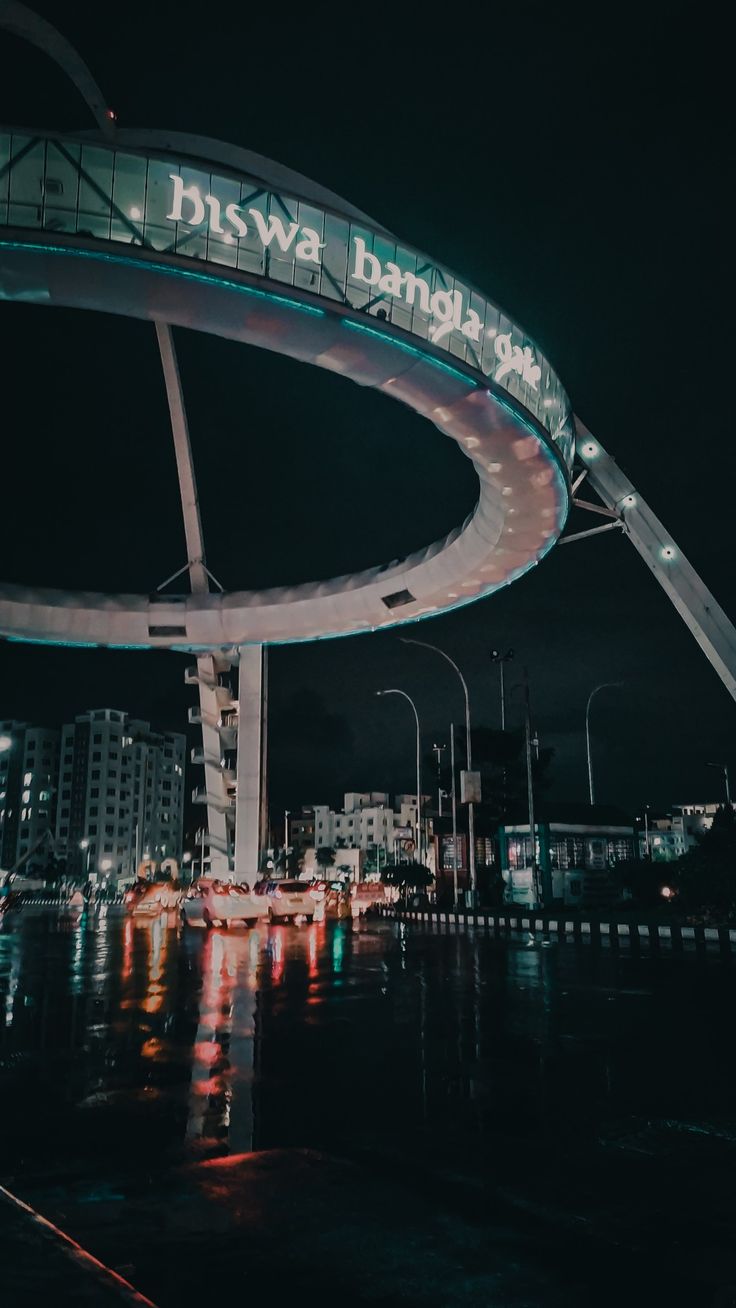
    You see, this city lives two lives—
    One that goes by the name of Calcutta, steeped in culture, nostalgia, and the slow unravel of time.
    And the other—Kolkata—the rebranded, fast-paced metro, defined by the chaos of traffic and the digital clock above the Esplanade crossing.

    But no matter how much it tries to keep up with its metropolitan siblings—Delhi’s sprawl, Bombay’s buzz, Bangalore’s tech sheen—this city still beats to a rhythm that is entirely its own. A rhythm of adda that stretches through the afternoon, of mishti in clay cups, of trams that dare to survive in a world of Ubers and impatient deadlines.

    It rained today in Calcutta. Not the kind of polite drizzle you forget, but a steady, monsoon rain that makes you feel like the whole world has paused to listen. And I found myself thinking of the kind of love that only this city can make you feel—the kind that is sentimental, slow-burning, and impossibly deep.

    There’s a reason why Calcutta romances hit different.

    Take Metro… In Dino, for example. A beautiful anthology of love stories that unfolds across India’s biggest cities, showing how romance is shaped by the pulse of the places we live in. From the clinical, high-functioning relationships of Delhi to the dreamy chaos of Mumbai, each story is distinctly shaped by its city. But it’s the Kolkata segment that lingers.

    Because in Calcutta, love isn’t found in coffee dates and Instagram captions—it is found in silences, in longing, in unspoken familiarity. The story set here doesn’t rush. It walks, like the city. It mourns and hopes at the same time, like the people. And it dares to ask the question: what if love didn’t need to be dramatic to be real?

    The city romances differently. It doesn’t just hold your hand; it holds your history. It doesn’t just remember your favourite song—it remembers the time you heard it for the first time on a crackly FM station while stuck in traffic near Shyambazar.

    Being born and brought up here, I know what it is to carry a city in your bones.
    To know that you’ll never truly belong anywhere else.
    And that no matter how far you go, you’ll always be looking for someone who loves the way Calcutta loves.

    That kind of love is not flashy. It is built over slow walks through College Street, over crispy phuchka shared between arguments, over Metro rides that are somehow too short and too long at the same time.
    It is built in bookstores and tea stalls, in the gap between what you say and what you mean.

    People say I’m stuck in the past. That I believe in a version of love that no longer exists. That I still romanticize letters, and Rabindrasangeet, and the poetry scribbled in margins of notebooks.

    And they’re right.
    Because Calcutta has taught me that love doesn’t have to be convenient to be true.

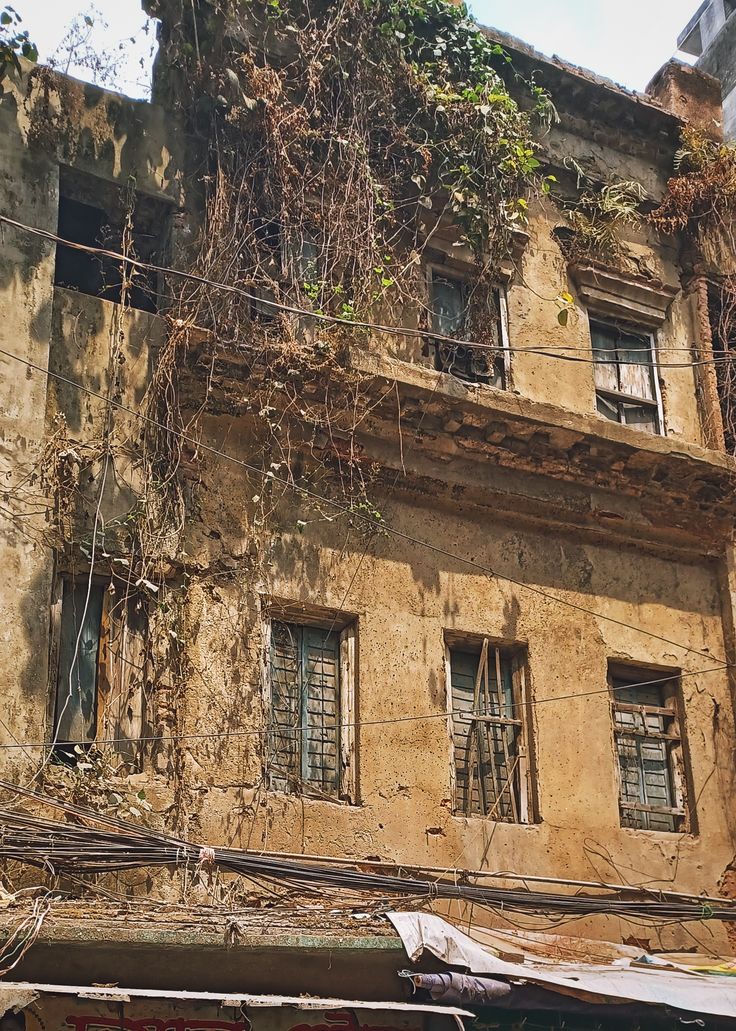
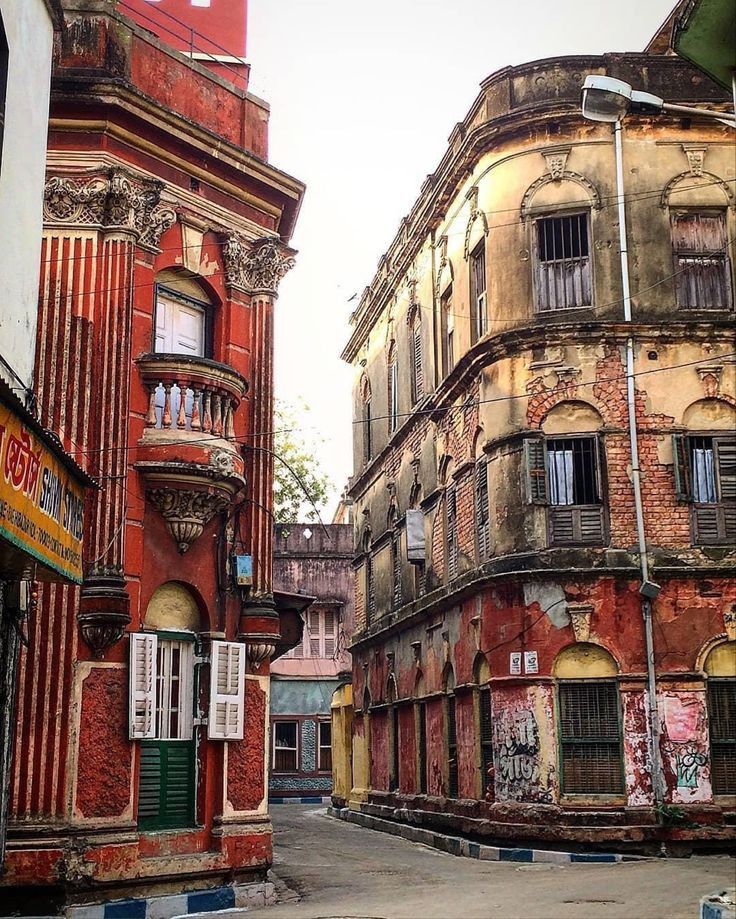
    I will love you like this city clings to ivy-covered buildings and yellow taxis—unapologetically, even if the world is moving on.
    I will love you like Kolkata loves Durga Pujo: with an all-consuming joy that doesn’t care about what comes after.
    I will love you with the quiet devotion of tramlines still carving their path through madness, and with the abandon of a sindoor khela afternoon.
    I will love both your chaos and your calm—just like this city does.

    Because this city has never tried to be anything it is not.
    It holds on—to its roots, to its language, to its impossible softness.

    And maybe that’s why the love born here lasts.

    In Metro… In Dino, every city told a different love story, but Kolkata’s story wasn’t about falling in love.
    It was about staying in love.
    Even when time passes. Even when people change. Even when love is no longer easy.

    It was about that one place, that one person, who still feels like home.

    And that, perhaps, is the truest tribute to Calcutta.
    That despite everything—
    the peeling paint, the crumbling houses, the crowded crossings—
    it still teaches you the kind of love that stays.

    So let the other cities race ahead. Let them find newer ways to romance.
    As for me—
    I will always choose to love the Calcutta way:
    with depth, with memory, and with no intention of forgetting.

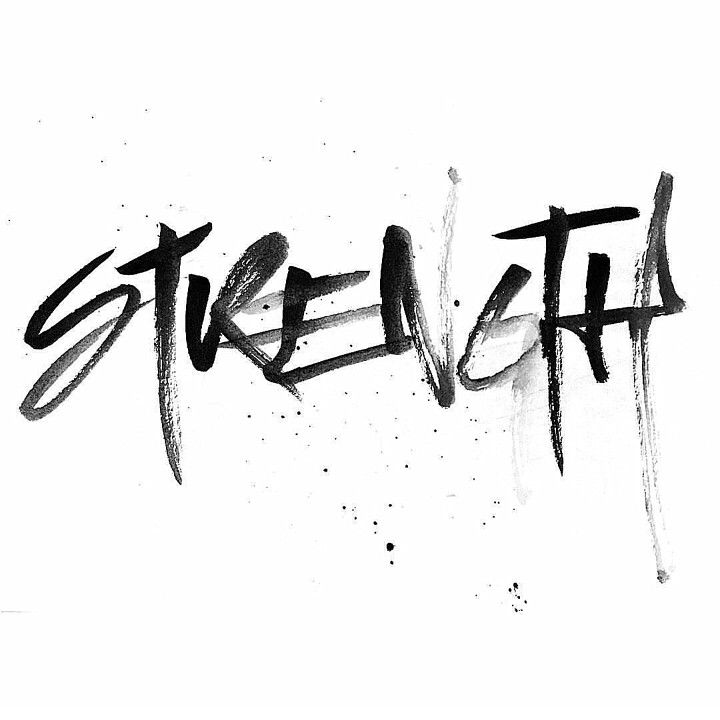
  • Strength: The Weight That Breaks

    I have lived my life in half breaths for the past 13 years. A few long sighs here and there.

    You see, strength isn’t what they say it is. It’s not loud, not always noble. It doesn’t come with medals, or claps, or even a soft pat on the back. Sometimes, strength is just silence- the heavy kind that wraps around your throat and keeps you from screaming.

    When the world talks about strength, it’s always about survival. About pushing through. About resilience. But rarely do we talk about what it costs. We rarely speak of the quiet destruction that follows years of holding yourself together.

    I was 13 when I first learned what it meant to “be strong”. A phrase thrown like a life jacket in moments of grief, chaos, and confusion. I wore it like an armour, thinking it would save me. Instead, it began to suffocate me.

    The truth is, strength teaches you how to endure, but not how to rest. It teaches you how to carry pain, but not how to let it go. It tells you to smile when your world is burning, and clap for others while you bleed quietly behind closed doors.

    For 13 years, I perfected the art of “functioning.” I became someone who people admired for being composed. Who they praised for being mature, wise, “beyond my years.” But what they were really admiring was my ability to bury things. My strength was not healing — it was suppression.

    And that’s the thing no one tells you:Strength, when misused, destroys you.Not with a bang, but with a slow, gnawing erosion of your softness. You begin to unlearn tenderness. You flinch at vulnerability. You forget how to cry without feeling weak.

    You become so good at carrying pain that you forget how to set it down.

    We live in a world that glorifies grit. That idolizes those who keep pushing. But I’ve come to believe that strength, real strength, isn’t about how much you can take.It’s about knowing when to stop.It’s about asking for help.It’s about letting yourself fall apart so you can rebuild, not rot.

    Today, I am learning how to breathe again.Not half breaths. Not the quiet sighs of someone holding back tears.But deep, honest inhales that tell my body: you are safe now.

    If you’ve been strong for too long, I see you.But maybe, just maybe, it’s time to put that weight down.Not everything you carry is meant to be yours forever.
    Strength doesn’t have to destroy you.But it will, if you forget that you’re human first.

    Sometimes, I wonder who I would have become if I hadn’t been strong.Would I have laughed louder? Loved easier? Asked for more? Would I have been softer — not weaker, just unguarded — like rain that doesn’t apologise for falling?
    But strength hardened me. It taught me to anticipate disappointment, to lower expectations, to smile with gritted teeth. I became the dependable one, the emotionally mature one, the “rock” — and somewhere along the line, I stopped being seen as someone who also needed to be held.

    That’s the other cruelty of strength — once you wear it long enough, people forget you’re wearing it at all.You become invisible in your own pain.
    And when you finally crack — not break, just crack — it catches everyone off guard. They look at you with startled eyes, as if to say, “You too?”As if strength made you immune to feeling.As if survival was the same as living.
    But surviving is not a personality trait.It’s an alarm bell.A sign that something within you has been screaming for a long time, but no one — not even you — stopped to listen.

    So now, I’m trying something radical.I’m learning how to be gentle with myself.How to rest.How to grieve for the years I spent being strong instead of being free.How to forgive myself for all the versions of me that couldn’t ask for help.

    Because real strength isn’t about suffering in silence.It’s about choosing yourself, even when it feels selfish.It’s about learning to live in full breaths — not just the sighs between disasters.
    And if strength ever whispers again that I need to hold it all in, I’ll remind it:I am no longer a fortress. I am a field — open, wild, and growing.

    Let me know your thoughts

  • This Isn’t a Love Story — But It’s Still About Love

    It’s 2 a.m.—that hour when silence is anything but quiet, when the city’s neon pulse dims just enough for your own pulse to thunder in your ears. My apartment is dark save for the phone screen glowing against my face, and I’m teetering on the familiar ledge between exhaustion and restless curiosity. One more scroll, I promise myself. Then I’ll sleep.

    But instead, Instagram chooses that precise moment to place a reel in front of me—a scene from The Buccaneers. A girl‐on‐fire voice breaks through the hush:

    “Love is a heart attack. Love is the best and worst part of everything.
    Love is hating someone with every inch of your soul, yet spending even a minute without them is the worst pain you’ve ever known.”

    I replay it once, twice, a dozen times, until the words stop being dialogue and settle into my chest like confession. Something sharp and strangely tender turns over inside me.

    Because I’ve always known love exactly this way: a contradiction that walks into your life wearing the softest smile and carrying a lit match behind its back. Love is never just gentle. It’s collision, combustion—comfort kneeling beside chaos. It dismantles the careful armor you’ve spent years forging, peeling you open with a touch that feels like reverence one moment and like lightning the next. You look at this person, aware they could shatter you, and invite them closer anyway, breathing in the risk as if it were fresh air.

    That’s the maddening part: love is rarely peaceful if it’s the kind that truly changes you. It’s the heart attack you enter willingly, a fever that burns through all your neat expectations. Yes, there are forehead kisses and flowers, but there are also slammed doors that echo down empty hallways, unanswered midnight messages blinking like Morse code for I miss you and I hate that I do. There’s the held breath in the space between hope and heartbreak. And just when you can’t find the language for any of it, songs rush in—because music always seems to understand our contradictions before we do.

    Think of the anguish in Taylor Swift and Bon Iver’s “exile,” the resigned ache of watching someone drift away in slow motion. Or the sepia‑tinted redemption of Stephen Sanchez’s “Until I Found You,” a reminder that sometimes love does return, softer and wiser than before. Jeff Buckley’s “Lover, You Should’ve Come Over” howls for the kiss that never lands, while Hozier’s “Cherry Wine” aches with the quiet harm that blooms inside certain embraces. Every track is a diary entry sung aloud, proof that love can be hymn and dirge in the same breath.

    Then there are the people we hate to love—the ones who know every tender spot beneath our bravado. They press those hidden bruises, sometimes by accident, sometimes because their own pain tells them to lash out. Yet we stay. We stay because their absence sounds louder than any argument, because the idea of a world without their laugh, their scent, their particular chaos feels like being locked outside your own home. Their flaws mirror our own, forcing us to stare at parts of ourselves we’d rather ignore. Love, in that mirror, becomes a brutal teacher: it reveals our worst corners while somehow illuminating our best.

    And what of the nights after the storm, when everything is too quiet and your phone is turned face‑down on the pillow? You rehearse angry speeches you’ll never send, scroll through old photos, skip songs you once shared—only to circle back and play them again because pretending indifference hurts more than honesty. This is the truth we rarely post about: hatred is often grief wearing steel‑toed boots, kicking at the door of a heart that still wants in.

    So maybe love is all of it—the 2 a.m. tears, the text drafted and deleted, the playlist on repeat, the promise you make to yourself to never feel this deeply again (and the certainty you will). Love is both wound and balm, curse and cure. It’s the snarl of “I never want to see you again” tangled up with the softness of “Text me when you get home.”

    We keep choosing it—again, again, again—because somewhere beneath the bruises and the bliss is the quiet knowledge that the things with power to break us also shine the brightest light on who we are. The most beautiful sunsets bleed into the sky only after the sun sets itself on fire. The finest porcelain rings when you tap it, precisely because it’s fragile.

    And love?

    Love is the most beautiful violence we will ever endure—an ache that proves, beyond all doubt, that our hearts are still beating.

    Let me know your thoughts

  • Joy in the Gentle: A Love Letter to the Little Things

    As I write this, exile by Taylor Swift and Bon Iver plays in the background — slow, haunting, and just a little too fitting. The city outside my window is still asleep, but my mind is wide awake, pulled back to that 5 AM ride through the meandering streets of Baruipur. I can almost feel the cool morning air again, hear the hum of the scooter, see the sun rising over fields so green it made my city heart ache. That morning comes back to me now like a breath I didn’t know I was holding — and maybe that’s why I’m writing this. To remember what it felt like to notice. To feel. To just be.

    There’s something about living in a city that puts your soul on mute.

    It’s not intentional. You don’t wake up and decide to forget the colour of the sky or the rustle of trees. But between back-to-back meetings, endless scrolling, late-night deadlines, and the buzz of notifications, life becomes one long blur. You’re surviving — maybe even thriving on paper — but somewhere along the way, you stop noticing the world around you.

    A Moment That Changed Everything

    It was a spontaneous 5 AM ride — the kind that only happens with someone who knew you before the noise set in. My childhood friend and I had reunited after years, and without much planning, we set off on her scooty through the meandering streets of Baruipur, a quiet suburb on the edge of Kolkata.

    There was something beautifully uncurated about that morning. The streets still yawned with sleep. The air was cool and generous, untouched by the weight of the day. We rode past sleepy homes, makeshift tea stalls, ponds holding the early light, and stretches of green that looked almost unreal to my city-worn eyes.

    The people, too, seemed different — slower, softer. An old man swept his doorstep with no rush in his movements. A tea stall owner, barely awake, handed us two clay cups with a silent smile, refusing to take money. That quiet hospitality felt like a warm hand on my shoulder.

    And the green. The green! It wasn’t just colour — it was release. It was freedom. Trees arched over narrow lanes like guardians. Fields rolled gently, untouched by concrete ambition. In that moment, I wasn’t thinking about emails or goals or plans. I was simply… there.

    That ride didn’t last forever. But that morning stayed. It reminded me that peace isn’t loud. That clarity sometimes comes without warning. And that the world is still full of moments waiting to be noticed — if only we look.

    Rediscovering Wonder

    Since that morning, I’ve been trying to relearn the art of noticing. Of seeking beauty in the spaces between chaos. The golden spill of sunlight on my balcony. The sound of rain tapping against my window. The rustle of leaves during a walk. The way people laugh when they don’t know you’re listening.

    City life conditions us to be efficient, but not present. We begin to value productivity more than peace. But what if the real success lies in how often we can slow down and actually see what surrounds us?

    Nature as a Reminder

    Even in the most concrete corners of our cities, nature doesn’t give up on us. It persists — quietly, persistently — in cracks, crevices, and forgotten spaces. A stubborn weed blooming through pavement. Moss climbing up the side of an old building. Birds weaving their morning songs into the dull roar of traffic. Trees that have stood still for decades while the city changed around them.

    These are not grand gestures. These are whispers.             
    But they are enough.

    Sometimes we wait for awe — for the kind of overwhelming beauty that takes our breath away — and in doing so, we miss the small invitations that nature sends us every day. The changing colour of the sky. The shadows of leaves dancing on a wall. The way sunlight filters through your curtain like gold dust.

    We don’t need to leave the city to find beauty. We need to return to our senses — to seeing, smelling, touching, hearing, and feeling the world again. Because nature is not separate from us. It is us. And it will keep calling us home — in quiet, consistent ways — until we remember how to listen.

    The Art of Noticing

    The more I think about it, the more I realise that noticing is a kind of love language — for the world, and for yourself.

    To notice something is to say: I am here. I see you. You matter.

    But noticing takes intention. It takes choosing to look up instead of down. To sit without distraction. To be curious, not just efficient. It means giving yourself permission to pause — to be in a moment without trying to capture it, share it, or rush past it.

    So I’ve been building a few quiet rituals, like planting seeds in a garden I hope will grow.
    – I try to watch the sky in the evenings — not just to see if it might rain, but to actually notice the way it shifts, glows, and fades.
    – I drink my morning tea by the window, not scrolling, just breathing.
    – I write down one thing each day that made me feel — not perform, not achieve — just feel.

    Some days, it’s the smell of someone cooking breakfast down the hall. Other days, it’s the sound of laughter drifting through my window from the neighbours’ children. Tiny things. Easy to miss. But they remind me that life is still beautiful — not in spite of its simplicity, but because of it.

    Slow Down. Look Around. You’re Already Home.

    We spend so much time chasing the idea of happiness, of peace, of “getting there” — wherever “there” is. But what if it’s not somewhere far ahead of us? What if it’s already here, hiding in the folds of an ordinary day?

    That morning ride through Baruipur didn’t fix my life. But it helped me remember what I’ve always known deep down — that joy is not a destination. It’s a way of seeing.

    So here’s to the little things.
    To stolen sunrises and shared silences.
    To green fields that ask for nothing and give everything.
    To people who remind you that kindness doesn’t need to be loud to be real.
    To the softness that still exists in a hard world.

    May we never be too busy to see what’s blooming beside us. May we never lose the wonder.

    Because sometimes, the life you’re looking for is already happening — quietly, gently — just waiting for you to notice.

    And just like that, exile fades into silence — only to be replaced by the first few tender notes of Until I Found You by Stephen Sanchez. It feels almost poetic, like the universe is giving this piece its own quiet ending.

    I sit back, rereading these words — memories and moments stitched together by stillness — and something in me softens. Maybe this is what healing looks like: not grand revelations, but soft songs, early morning rides, and tiny reminders that beauty still lives all around us.

    And maybe, just maybe, in learning to appreciate the little things, we start finding the bigger ones, too.

    Let me know your thoughts

  • Somewhere…It Begins Again

    I was in Class XI when I first fell in love.

    There was a rush when he looked at me. A spark, a flicker—something that felt infinite, even when it barely knew how to begin. But first love isn’t always gentle, and it certainly isn’t always right. Mine was neither. I thought it was everything, because back then, I didn’t know love could be more.

    Still, I stayed.
    Not because it was beautiful, but because I was afraid.

    Every time it felt like he might leave, my mind whispered:
    If not him, then who?

    That question tethered me to a story long after the plot had unraveled. It made me trade peace for presence. It convinced me that if I lost him, I’d never find love again. So I stayed—for six years—until one day I realised I had outgrown the girl who first asked that question.


    The Second Time

    Then came my second.

    My favourite almost.

    We were everything in slow motion. The kind of love that unspooled gently, like a Sunday morning in a city you’re learning to love. We had a rhythm, a potential, a softness that felt safe. But “almost” is a word that quietly breaks you. It tricks you into believing that “one day” will come—until it doesn’t.

    We almost made love stay.
    We almost had our shared playlists, our traditions, our peace.
    We almost built something lasting.

    “Distance, timing, breakdown, fighting
    Silence, the train runs off its tracks…”

    — Sad, Beautiful, Tragic (RED (Taylor’s Version), Taylor Swift)

    When it ended, it didn’t break me. Not all at once, at least. It was the kind of ending that settles in gradually, like fog over a city you once called home. There was no betrayal, no grand disaster. Just the quiet knowing that we couldn’t carry on. I was tired—of loving people who didn’t stay. Of waiting for something I couldn’t name. Of wondering why love never felt like enough.

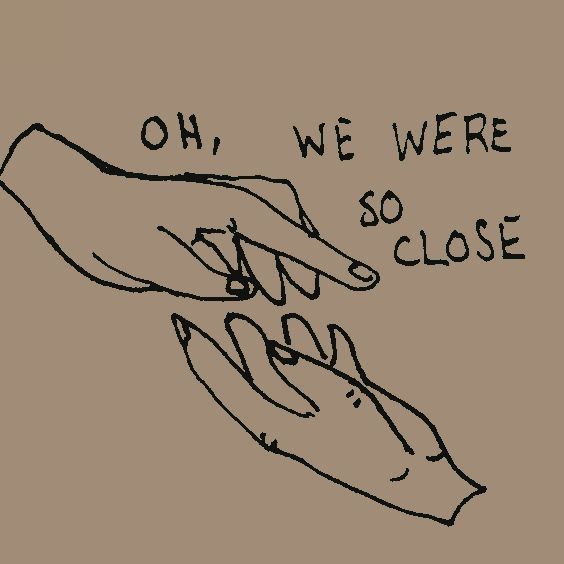
    But if you ask me today, I’d still say we were close to something extraordinary.
    Close, but not close enough.


    This Time Might Be Different

    Now, maybe my third is here to stay.
    Maybe he isn’t.

    But for the first time, I won’t ask that old question again.
    If not you, then who?

    Because I’ve learned what that question does. It makes you stay longer than you should. It wraps fear in the illusion of loyalty. It makes you believe that love is scarce, when really—it’s abundant.

    Love shows up in many forms, in many seasons—
    Sometimes as a person, sometimes as a mirror.
    Sometimes as you, choosing yourself after years of forgetting how.

    I’ve learned that love isn’t just about who stays the longest.
    Sometimes, it’s who teaches you how to leave.
    Sometimes, it’s the quiet promise you make to yourself in the dark—
    That next time, you’ll choose you first.


    Love Is Home

    Love, as I’ve come to understand it, isn’t just the butterflies or the longing or the poetry. It’s not even just the safety or the stillness.

    Love is how we slowly become ourselves in someone else’s presence.
    It’s how we learn to rest.
    How we remember the softness we’d tucked away.

    Love is memory, timing, courage.
    And sometimes, love is the lesson.

    And maybe that’s why it blurs so closely into something else—home.

    In my last blog, I wrote about home not being a place, but a feeling. And the more I think about it, the more I realise—home and love are the same thing. They evolve. They shift. They slip through your fingers if you’re not paying attention, only to return in unexpected forms.

    A city. A friend. A morning spent in silence. Or someone’s laugh echoing through a kitchen full of light.

    What a terrifyingly beautiful thing it is to find your home in a person.
    To find love and belonging wrapped into the same soul.

    But even if they don’t stay, the love does.
    The lesson does.
    The knowing that you can love again—differently, deeply, more wisely.


    And So…

    You haven’t met all the people you’ll love.
    And you haven’t met all the people who will love you.

    So chin up, darling.
    Love might just be around the corner.

    And maybe this time—it won’t be tragic.
    Maybe it’ll just be home.

    Let me know your thoughts

  • When Home Wore Your Name…

    The past few days, I’ve found myself reflecting deeply on the last three years of my life—how they’ve shaped me, transformed me, and continue to quietly guide the person I’m becoming. In my last blog, I explored how our experiences sculpt us, chisel away the unnecessary, and sometimes painfully, sometimes beautifully, bring out the core of who we are. That thought has lingered this entire week, following me like a shadow I’m learning to acknowledge.

    Right now, I’m 30,000 feet in the sky, writing this mid-flight, as the darkness of the midnight sky presses against the window beside me. My thoughts, like always, begin to wander—to the past, to the people I’ve loved, and inevitably, to the idea of home.

    What is home, really?

    Is it a place—brick walls, familiar corners, the aroma of something cooking on a lazy Sunday? If so, then living away from that place for the last 3.5 years has been nothing short of a blessing. In this time, I’ve learned more than I ever did in the 22 years I spent sheltered within it. I’ve grown, crumbled, built myself back, and found grace in discomfort. I’m grateful for every lesson, no matter how harsh.

    But… what if home isn’t a place?

    What if home is a feeling? A fleeting sense of comfort that rests in moments or people. What if home is a conversation, a glance, a familiar silence that doesn’t ask you to be anything other than yourself?

    If that’s true—if home is a feeling—then it’s transient. It shifts, transforms, and maybe, just like love, it evolves with time. Does that mean love and home are synonymous? I don’t know. But I do know I’ve spent nights chasing the answer to this very question.

    I’m reminded of a lyric from Taylor Swift’s Florida!, where she sings:

    “Little did you know,
    Your home’s really only a town
    You’re just a guest in…”

    That line always hits me hard. Because maybe that’s it. Maybe home isn’t a location on a map. Maybe it’s a person. A presence. A connection. The life you begin to build with someone. And what a terrifyingly beautiful idea that is—to find your home in another human being.

    It’s comforting, yes. But also unsettling. Because the deeper that comfort grows, the more unbearable the thought of losing it becomes. Once you feel it, you understand why love has sparked wars, inspired poetry, moved civilizations. It all begins so simply—perhaps with a childish crush, a shared playlist, a familiar phrase. Then, before you know it, their quirks become the reasons you fall in love all over again. The way they scrunch their nose when they laugh. The way they steady you in a crowded room. The way their eyes find you in silence, saying things their words never could.

    And slowly, you become part of them. And they, part of you.

    Then one random Sunday, you catch yourself daydreaming. A home with French windows, sunlight streaming across a kitchen island. The smell of pancakes and coffee filling the space. Someone you love, dancing lightly to his favourite music in an apron, completely unaware of how breathtakingly peaceful he looks. That’s when you realise: this isn’t just love—it’s home. In all its quiet, chaotic, overwhelming beauty.

    But—this is not the end of the story.

    Because I overthink. I overfeel. And the story doesn’t stop at the dream.

    Instead, my mind drifts back. To the homes I built in the past. The fairy lights, the Polaroids now faded and covered in dust. The warm glows now turned cold. The record player that once played Presley? Silent. Forgotten. I see my demons peering back at me from memories I once called sacred. And yet, even as I hold on to the dream—of sunlight in the kitchen, of laughter echoing off quiet walls—I can’t help but feel the weight of memory tug at the edges. Love, I’ve learned, doesn’t always stay. Sometimes it slips through your fingers just when you think you’ve caught it. And sometimes, the same hands that once held you gently are the ones that let go.

    So I find myself suspended between hope and hesitation. Between the comfort of dreaming and the ache of remembering. I trace the outlines of old homes I once found in people who now live only in footnotes of my story—beautiful, painful chapters I still read in quiet moments.

    And then, as always, the spiral begins again.

    And I wonder: will love stay this time? Is this the end of all the endings?

    Or will I look back, years from now, at this dream I dared to call home, wearing a smile I no longer mean—haunted by the echo of what could have been?

    Let me know your thoughts