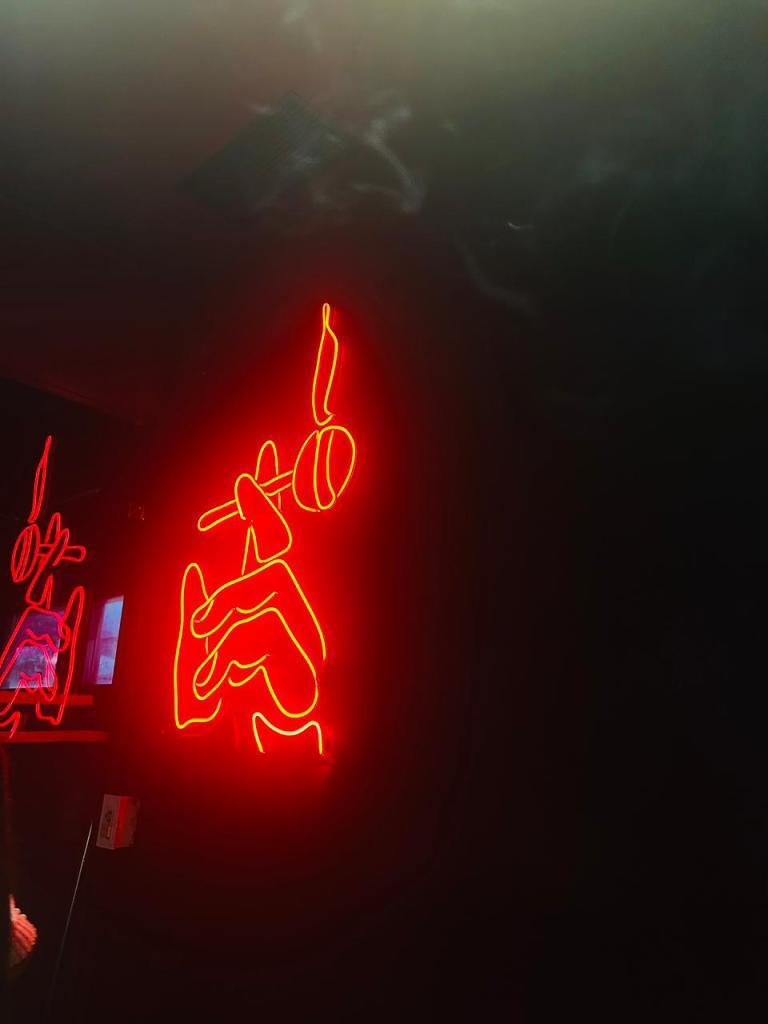
Last night, the cigarette burned like my soul Slowly and in vain. That slow burn that used to give peace- it’s killing me now. The made-up love that once was peace- is now the torment my heart can no longer take. Half-breaths and half-alive but never half in love. Never the person with one foot out the door- when in love. Burning. I’m burning in vain and killing myself- slowly. Do they see me burn? Do they see me burn? Do they? Do you? Do you see my agony? An ivy wrapping my throat- choking me to death. Much like your love. Or are you blind to my greys still? Should I’ve been more obvious with my love? Or did I stifle you with my intensity? Is that too many questions? My mind keeps going down the spiral- do you see me ruin myself in the hopes of your love?
I have lived my life in half breaths for the past 13 years. A few long sighs here and there.
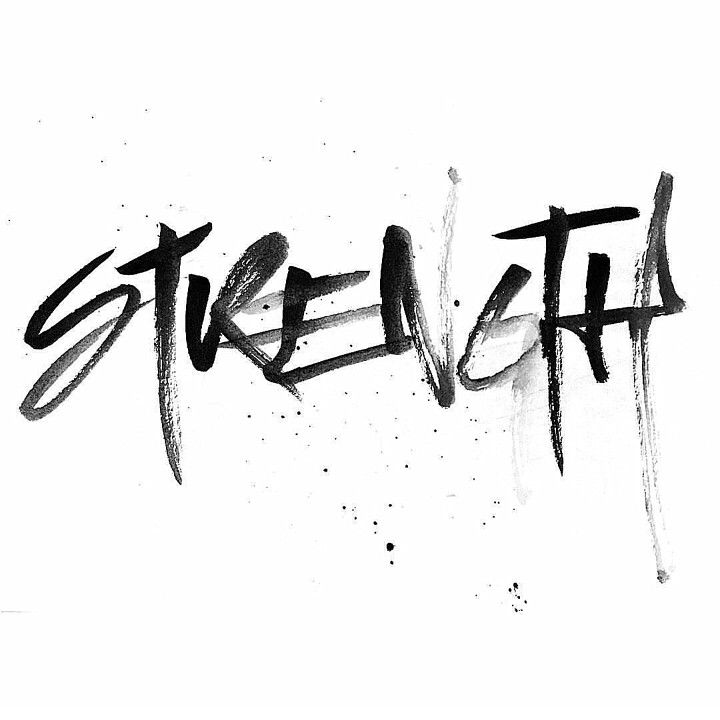
You see, strength isn’t what they say it is. It’s not loud, not always noble. It doesn’t come with medals, or claps, or even a soft pat on the back. Sometimes, strength is just silence- the heavy kind that wraps around your throat and keeps you from screaming.
When the world talks about strength, it’s always about survival. About pushing through. About resilience. But rarely do we talk about what it costs. We rarely speak of the quiet destruction that follows years of holding yourself together.
I was 13 when I first learned what it meant to “be strong”. A phrase thrown like a life jacket in moments of grief, chaos, and confusion. I wore it like an armour, thinking it would save me. Instead, it began to suffocate me.
The truth is, strength teaches you how to endure, but not how to rest. It teaches you how to carry pain, but not how to let it go. It tells you to smile when your world is burning, and clap for others while you bleed quietly behind closed doors.
For 13 years, I perfected the art of “functioning.” I became someone who people admired for being composed. Who they praised for being mature, wise, “beyond my years.” But what they were really admiring was my ability to bury things. My strength was not healing — it was suppression.
And that’s the thing no one tells you:Strength, when misused, destroys you.Not with a bang, but with a slow, gnawing erosion of your softness. You begin to unlearn tenderness. You flinch at vulnerability. You forget how to cry without feeling weak.
You become so good at carrying pain that you forget how to set it down.
We live in a world that glorifies grit. That idolizes those who keep pushing. But I’ve come to believe that strength, real strength, isn’t about how much you can take.It’s about knowing when to stop.It’s about asking for help.It’s about letting yourself fall apart so you can rebuild, not rot.
Today, I am learning how to breathe again.Not half breaths. Not the quiet sighs of someone holding back tears.But deep, honest inhales that tell my body: you are safe now.
If you’ve been strong for too long, I see you.But maybe, just maybe, it’s time to put that weight down.Not everything you carry is meant to be yours forever. Strength doesn’t have to destroy you.But it will, if you forget that you’re human first.
Sometimes, I wonder who I would have become if I hadn’t been strong.Would I have laughed louder? Loved easier? Asked for more? Would I have been softer — not weaker, just unguarded — like rain that doesn’t apologise for falling? But strength hardened me. It taught me to anticipate disappointment, to lower expectations, to smile with gritted teeth. I became the dependable one, the emotionally mature one, the “rock” — and somewhere along the line, I stopped being seen as someone who also needed to be held.
That’s the other cruelty of strength — once you wear it long enough, people forget you’re wearing it at all.You become invisible in your own pain. And when you finally crack — not break, just crack — it catches everyone off guard. They look at you with startled eyes, as if to say, “You too?”As if strength made you immune to feeling.As if survival was the same as living. But surviving is not a personality trait.It’s an alarm bell.A sign that something within you has been screaming for a long time, but no one — not even you — stopped to listen.
So now, I’m trying something radical.I’m learning how to be gentle with myself.How to rest.How to grieve for the years I spent being strong instead of being free.How to forgive myself for all the versions of me that couldn’t ask for help.
Because real strength isn’t about suffering in silence.It’s about choosing yourself, even when it feels selfish.It’s about learning to live in full breaths — not just the sighs between disasters. And if strength ever whispers again that I need to hold it all in, I’ll remind it:I am no longer a fortress. I am a field — open, wild, and growing.
It’s 2 a.m.—that hour when silence is anything but quiet, when the city’s neon pulse dims just enough for your own pulse to thunder in your ears. My apartment is dark save for the phone screen glowing against my face, and I’m teetering on the familiar ledge between exhaustion and restless curiosity. One more scroll, I promise myself. Then I’ll sleep.
But instead, Instagram chooses that precise moment to place a reel in front of me—a scene from The Buccaneers. A girl‐on‐fire voice breaks through the hush:
“Love is a heart attack. Love is the best and worst part of everything. Love is hating someone with every inch of your soul, yet spending even a minute without them is the worst pain you’ve ever known.”
I replay it once, twice, a dozen times, until the words stop being dialogue and settle into my chest like confession. Something sharp and strangely tender turns over inside me.
Because I’ve always known love exactly this way: a contradiction that walks into your life wearing the softest smile and carrying a lit match behind its back. Love is never just gentle. It’s collision, combustion—comfort kneeling beside chaos. It dismantles the careful armor you’ve spent years forging, peeling you open with a touch that feels like reverence one moment and like lightning the next. You look at this person, aware they could shatter you, and invite them closer anyway, breathing in the risk as if it were fresh air.
That’s the maddening part: love is rarely peaceful if it’s the kind that truly changes you. It’s the heart attack you enter willingly, a fever that burns through all your neat expectations. Yes, there are forehead kisses and flowers, but there are also slammed doors that echo down empty hallways, unanswered midnight messages blinking like Morse code for I miss you and I hate that I do. There’s the held breath in the space between hope and heartbreak. And just when you can’t find the language for any of it, songs rush in—because music always seems to understand our contradictions before we do.
Think of the anguish in Taylor Swift and Bon Iver’s “exile,” the resigned ache of watching someone drift away in slow motion. Or the sepia‑tinted redemption of Stephen Sanchez’s “Until I Found You,” a reminder that sometimes love does return, softer and wiser than before. Jeff Buckley’s “Lover, You Should’ve Come Over” howls for the kiss that never lands, while Hozier’s “Cherry Wine” aches with the quiet harm that blooms inside certain embraces. Every track is a diary entry sung aloud, proof that love can be hymn and dirge in the same breath.
Then there are the people we hate to love—the ones who know every tender spot beneath our bravado. They press those hidden bruises, sometimes by accident, sometimes because their own pain tells them to lash out. Yet we stay. We stay because their absence sounds louder than any argument, because the idea of a world without their laugh, their scent, their particular chaos feels like being locked outside your own home. Their flaws mirror our own, forcing us to stare at parts of ourselves we’d rather ignore. Love, in that mirror, becomes a brutal teacher: it reveals our worst corners while somehow illuminating our best.
And what of the nights after the storm, when everything is too quiet and your phone is turned face‑down on the pillow? You rehearse angry speeches you’ll never send, scroll through old photos, skip songs you once shared—only to circle back and play them again because pretending indifference hurts more than honesty. This is the truth we rarely post about: hatred is often grief wearing steel‑toed boots, kicking at the door of a heart that still wants in.
So maybe love is all of it—the 2 a.m. tears, the text drafted and deleted, the playlist on repeat, the promise you make to yourself to never feel this deeply again (and the certainty you will). Love is both wound and balm, curse and cure. It’s the snarl of “I never want to see you again” tangled up with the softness of “Text me when you get home.”
We keep choosing it—again, again, again—because somewhere beneath the bruises and the bliss is the quiet knowledge that the things with power to break us also shine the brightest light on who we are. The most beautiful sunsets bleed into the sky only after the sun sets itself on fire. The finest porcelain rings when you tap it, precisely because it’s fragile.
And love?
Love is the most beautiful violence we will ever endure—an ache that proves, beyond all doubt, that our hearts are still beating.
Remembering you comes in waves…and tonight I am drowning.
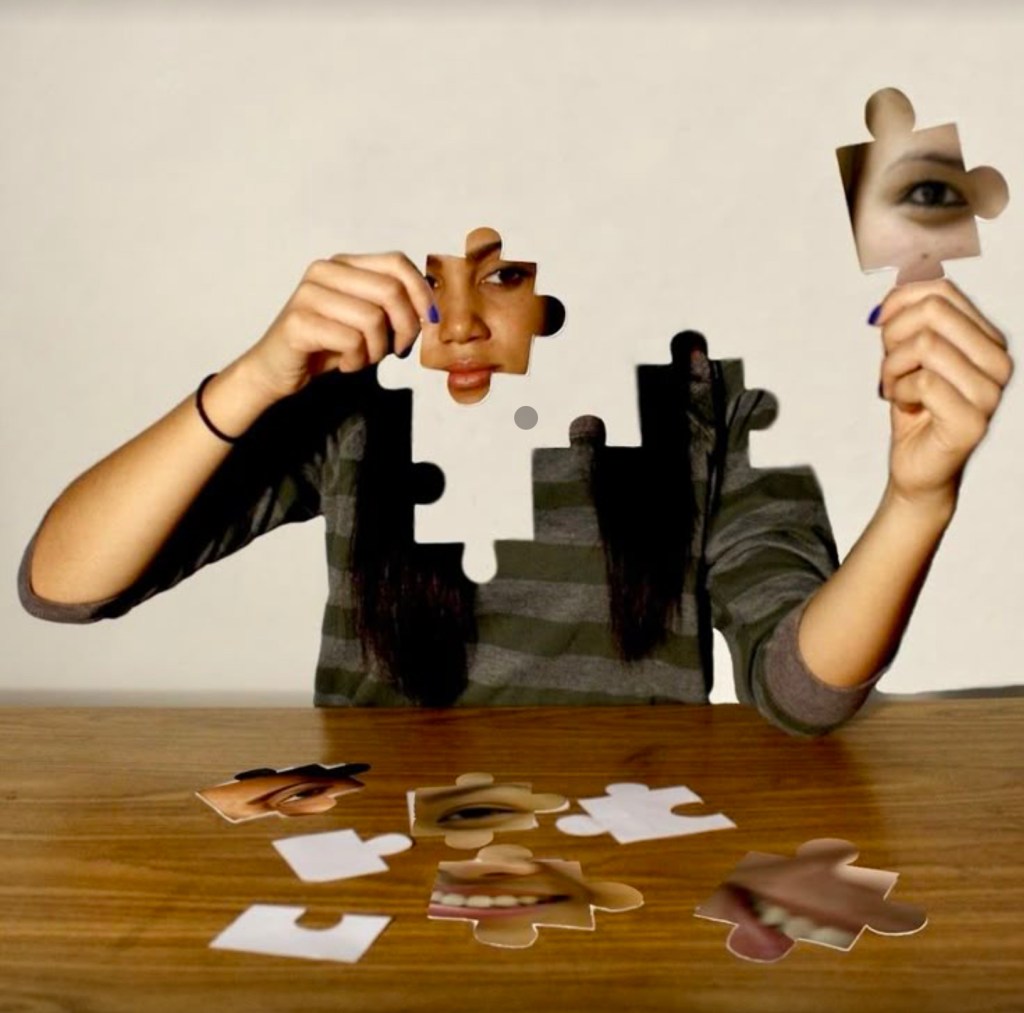
Yesterday someone told me that we are not living in the past, we are learning and unlearning our lessons and that has to be one of the most relatable thing I have heard in a long time. Our past is what makes us- whether we accept it or not. The nature of your first friendship at school affects the way you interact with people your age upto a certain point. The place you grow up in, the school you go to, the people you surround yourself with- you pick up bits and pieces of everything as you go through life. I believe we are all like jigsaw puzzles- made of a million pieces, all in harmony- to create a unique blend of a person.
But is it always in our best interest? What I mean to ask is- the habits, the memories, the nuances we carry within us- does it always help us build a better life or can it become an obstacle somewhere down the lane? I believe that it’s both. As we move forward, it becomes clear that not every part of our past is meant to accompany us. Some memories serve as gentle reminders of how far we’ve come, while others quietly weigh us down, making each step forward a little heavier than it needs to be. Habits born out of survival or heartbreak can, over time, harden into patterns that no longer protect us but instead confine us. And yet, even these burdens have shaped us in ways that are deeply human. They have taught us resilience, compassion, and patience—even if, at times, through pain.
Life, it seems, is an endless dance between holding on and letting go. There’s a kind of art to knowing which parts of your story to weave into your present and which ones to leave respectfully in the past. It’s not about erasing anything, but about understanding that healing often means rewriting the narrative we once accepted as final. Growth asks us to be both tender with who we were and brave enough to imagine who we can still become.
There are some loves you never truly outgrow. Once you have loved someone in your early years and gotten your heart broken, the remnants of that relationship don’t simply disappear—they settle quietly inside you, shaping the way you love forever. Even years later, if you notice a pattern in your new partner that even remotely resembles your past lover, something inside you stirs. Without meaning to, you go into self-destruct mode. You react instinctively, clinging to old fears rather than giving yourself the chance to realize that this time, it could be different. You make decisions rooted in memory, not the present moment.
And that’s the heartbreak within heartbreak: once you have truly known someone and cared for them deeply, you are forever intertwined with them in ways you don’t always understand. Even when you no longer think about them consciously, one misstep, one misunderstanding, can catapult you right back to those long-forgotten days—back to the ache you thought you had outgrown.
Is it fair to your new partner—to bear the weight of wounds they didn’t cause? Maybe not. Are we aware of this unfairness? Absolutely. But knowing doesn’t always make it easier. Sometimes, it’s not a choice at all. It’s a reflex, an invisible shield we raise before we can even name what we’re protecting ourselves from. And when the dust settles, when the anger and fear quiet down, we are left hoping—desperately—that this time, love will stay. That despite our attempts to push it away, someone will choose to understand us, to stand beside us through the ruins.
Healing is messy. It’s not a straight line or a single, sweeping act of closure. It’s a tug-of-war between the person you were when you were hurt and the person you are trying so hard to become. Loving again after heartbreak demands more than courage—it demands radical self-awareness and a deep, patient kindness, both for yourself and for those who dare to love you despite the splinters. Every new relationship carries a quiet, trembling hope: that we are not too broken, that love can outlast the echoes of old pain.
Maybe that’s what real love looks like—not perfect, not untouched by the past, but resilient enough to build something beautiful in spite of it. Maybe real love is choosing, every day, to believe in the possibility of healing. Maybe that’s how we finally set ourselves free—not by forgetting where we’ve been, but by daring to hope for where we can still go and maybe, just maybe, finally relate to these words:
And by mornin’
Gone was any trace of you, I think I am finally clean.


 Penny's World
Let me know your thoughts