Category: Story of my life

  • When Home Wore Your Name…

    The past few days, I’ve found myself reflecting deeply on the last three years of my life—how they’ve shaped me, transformed me, and continue to quietly guide the person I’m becoming. In my last blog, I explored how our experiences sculpt us, chisel away the unnecessary, and sometimes painfully, sometimes beautifully, bring out the core of who we are. That thought has lingered this entire week, following me like a shadow I’m learning to acknowledge.

    Right now, I’m 30,000 feet in the sky, writing this mid-flight, as the darkness of the midnight sky presses against the window beside me. My thoughts, like always, begin to wander—to the past, to the people I’ve loved, and inevitably, to the idea of home.

    What is home, really?

    Is it a place—brick walls, familiar corners, the aroma of something cooking on a lazy Sunday? If so, then living away from that place for the last 3.5 years has been nothing short of a blessing. In this time, I’ve learned more than I ever did in the 22 years I spent sheltered within it. I’ve grown, crumbled, built myself back, and found grace in discomfort. I’m grateful for every lesson, no matter how harsh.

    But… what if home isn’t a place?

    What if home is a feeling? A fleeting sense of comfort that rests in moments or people. What if home is a conversation, a glance, a familiar silence that doesn’t ask you to be anything other than yourself?

    If that’s true—if home is a feeling—then it’s transient. It shifts, transforms, and maybe, just like love, it evolves with time. Does that mean love and home are synonymous? I don’t know. But I do know I’ve spent nights chasing the answer to this very question.

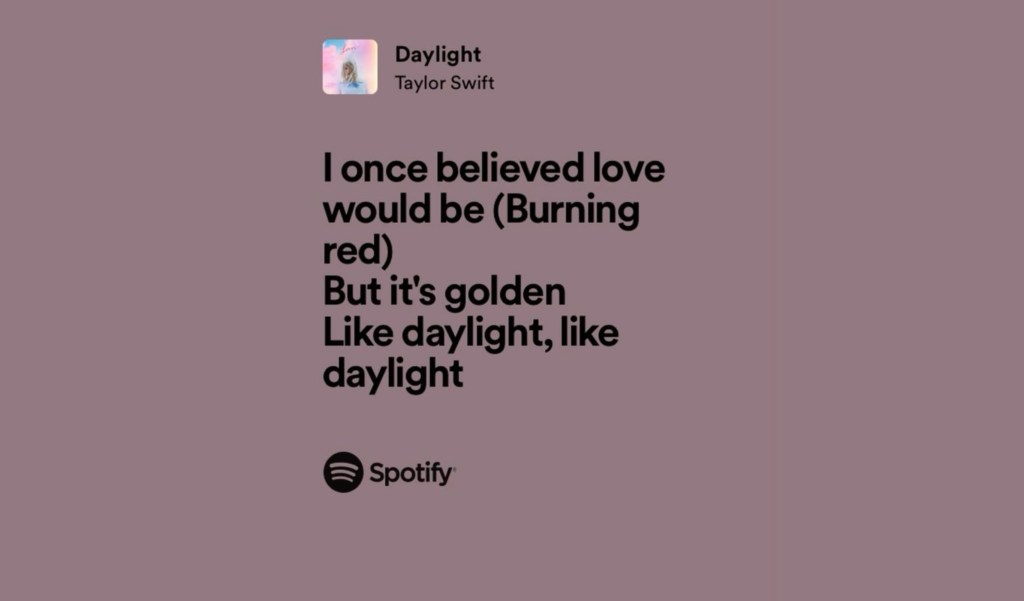
    I’m reminded of a lyric from Taylor Swift’s Florida!, where she sings:

    “Little did you know,
    Your home’s really only a town
    You’re just a guest in…”

    That line always hits me hard. Because maybe that’s it. Maybe home isn’t a location on a map. Maybe it’s a person. A presence. A connection. The life you begin to build with someone. And what a terrifyingly beautiful idea that is—to find your home in another human being.

    It’s comforting, yes. But also unsettling. Because the deeper that comfort grows, the more unbearable the thought of losing it becomes. Once you feel it, you understand why love has sparked wars, inspired poetry, moved civilizations. It all begins so simply—perhaps with a childish crush, a shared playlist, a familiar phrase. Then, before you know it, their quirks become the reasons you fall in love all over again. The way they scrunch their nose when they laugh. The way they steady you in a crowded room. The way their eyes find you in silence, saying things their words never could.

    And slowly, you become part of them. And they, part of you.

    Then one random Sunday, you catch yourself daydreaming. A home with French windows, sunlight streaming across a kitchen island. The smell of pancakes and coffee filling the space. Someone you love, dancing lightly to his favourite music in an apron, completely unaware of how breathtakingly peaceful he looks. That’s when you realise: this isn’t just love—it’s home. In all its quiet, chaotic, overwhelming beauty.

    But—this is not the end of the story.

    Because I overthink. I overfeel. And the story doesn’t stop at the dream.

    Instead, my mind drifts back. To the homes I built in the past. The fairy lights, the Polaroids now faded and covered in dust. The warm glows now turned cold. The record player that once played Presley? Silent. Forgotten. I see my demons peering back at me from memories I once called sacred. And yet, even as I hold on to the dream—of sunlight in the kitchen, of laughter echoing off quiet walls—I can’t help but feel the weight of memory tug at the edges. Love, I’ve learned, doesn’t always stay. Sometimes it slips through your fingers just when you think you’ve caught it. And sometimes, the same hands that once held you gently are the ones that let go.

    So I find myself suspended between hope and hesitation. Between the comfort of dreaming and the ache of remembering. I trace the outlines of old homes I once found in people who now live only in footnotes of my story—beautiful, painful chapters I still read in quiet moments.

    And then, as always, the spiral begins again.

    And I wonder: will love stay this time? Is this the end of all the endings?

    Or will I look back, years from now, at this dream I dared to call home, wearing a smile I no longer mean—haunted by the echo of what could have been?

    Let me know your thoughts

  • The Ghost of Christmas Past

    Remembering you comes in waves…and tonight I am drowning.

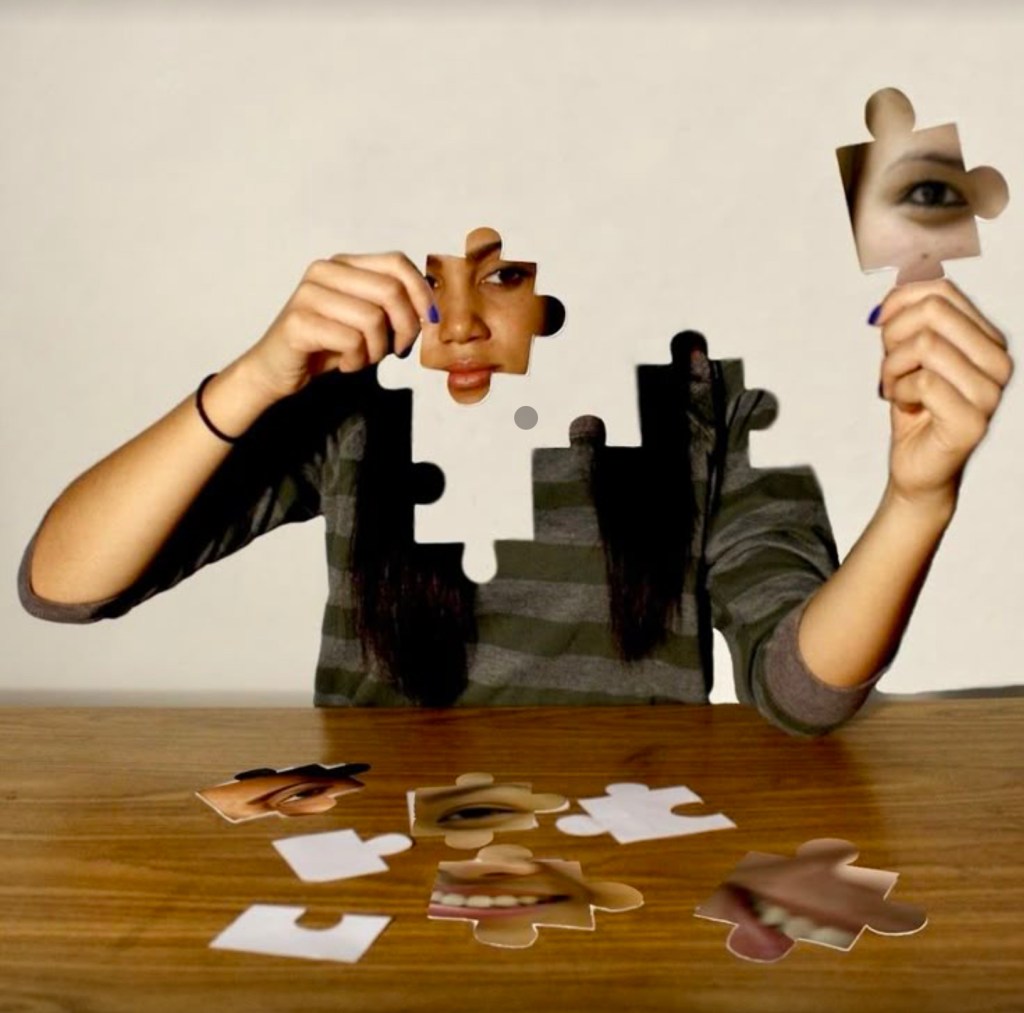
    Yesterday someone told me that we are not living in the past, we are learning and unlearning our lessons and that has to be one of the most relatable thing I have heard in a long time. Our past is what makes us- whether we accept it or not. The nature of your first friendship at school affects the way you interact with people your age upto a certain point. The place you grow up in, the school you go to, the people you surround yourself with- you pick up bits and pieces of everything as you go through life. I believe we are all like jigsaw puzzles- made of a million pieces, all in harmony- to create a unique blend of a person.

    But is it always in our best interest? What I mean to ask is- the habits, the memories, the nuances we carry within us- does it always help us build a better life or can it become an obstacle somewhere down the lane? I believe that it’s both. As we move forward, it becomes clear that not every part of our past is meant to accompany us. Some memories serve as gentle reminders of how far we’ve come, while others quietly weigh us down, making each step forward a little heavier than it needs to be. Habits born out of survival or heartbreak can, over time, harden into patterns that no longer protect us but instead confine us. And yet, even these burdens have shaped us in ways that are deeply human. They have taught us resilience, compassion, and patience—even if, at times, through pain.

    Life, it seems, is an endless dance between holding on and letting go. There’s a kind of art to knowing which parts of your story to weave into your present and which ones to leave respectfully in the past. It’s not about erasing anything, but about understanding that healing often means rewriting the narrative we once accepted as final. Growth asks us to be both tender with who we were and brave enough to imagine who we can still become.

    There are some loves you never truly outgrow. Once you have loved someone in your early years and gotten your heart broken, the remnants of that relationship don’t simply disappear—they settle quietly inside you, shaping the way you love forever. Even years later, if you notice a pattern in your new partner that even remotely resembles your past lover, something inside you stirs. Without meaning to, you go into self-destruct mode. You react instinctively, clinging to old fears rather than giving yourself the chance to realize that this time, it could be different. You make decisions rooted in memory, not the present moment.

    And that’s the heartbreak within heartbreak: once you have truly known someone and cared for them deeply, you are forever intertwined with them in ways you don’t always understand. Even when you no longer think about them consciously, one misstep, one misunderstanding, can catapult you right back to those long-forgotten days—back to the ache you thought you had outgrown.

    Is it fair to your new partner—to bear the weight of wounds they didn’t cause? Maybe not. Are we aware of this unfairness? Absolutely. But knowing doesn’t always make it easier. Sometimes, it’s not a choice at all. It’s a reflex, an invisible shield we raise before we can even name what we’re protecting ourselves from. And when the dust settles, when the anger and fear quiet down, we are left hoping—desperately—that this time, love will stay. That despite our attempts to push it away, someone will choose to understand us, to stand beside us through the ruins.

    Healing is messy. It’s not a straight line or a single, sweeping act of closure. It’s a tug-of-war between the person you were when you were hurt and the person you are trying so hard to become. Loving again after heartbreak demands more than courage—it demands radical self-awareness and a deep, patient kindness, both for yourself and for those who dare to love you despite the splinters. Every new relationship carries a quiet, trembling hope: that we are not too broken, that love can outlast the echoes of old pain.

    Maybe that’s what real love looks like—not perfect, not untouched by the past, but resilient enough to build something beautiful in spite of it. Maybe real love is choosing, every day, to believe in the possibility of healing. Maybe that’s how we finally set ourselves free—not by forgetting where we’ve been, but by daring to hope for where we can still go and maybe, just maybe, finally relate to these words:

    And by mornin’

    Gone was any trace of you, I think I am finally clean.

    Let me know your thoughts

    • I Don’t Want To Be Like My Mother

      Yes, you read that right. Now that I have grown up, I no longer want to be like my mother- but why? What happened? What changed?

      I remember when I was growing up- all I ever wanted to do was exactly what my mother was doing. I wanted to wear a saree (an Indian piece of clothing) if she was wearing that. I would pretend to wear vermillion (or sindur, if you know) with talcum powder because I saw my mother do it. I would carry around a shoulder bag in my grandparents’ house because she was doing it. Again, I wanted to become my mother growing up. So, what about now? And when I say I don’t want to become like her- am I talking about things I just mentioned? Or am I now focussing on things that actually matter? I believe the women out there reading this blog right now knows exactly what I am talking about.

      As you grow up, you slowly get acquainted with the various nuances of life and start seeing the world in shades of grey. The simplicity of childhood is long gone and with that the ability to see the world in black and white- and then it dawns upon you. Becoming your mother doesn’t only mean wearing that pretty saree, carrying that shoulder bag around and wearing the vermillion in the parting of your hair- it has deeper implications. It was at this juncture of my life that my viewpoint changed- my viewpoint about my mother. Yes, I still wanted to be her but I understood that becoming exactly like my mother would mean doing all of those things I just mentioned a couple lines ago despite the emotional situation she was in. It would mean carrying that shoulder bag in addition to the emotional baggage of the family she was already carrying. Becoming her would mean showing up at the “party” in that beautiful saree even when everything around her crumbling down. I realised becoming my mother would mean becoming the epitome of strength in the face of apocalypse and sacrifice my wishes, my dreams and just become a shadow for the family I get married into. When I realised this- one question kept me up at night- am I ready to make this sacrifice? Am I ready to let my own self go for someone else? And to my surprise the answer kept coming back as “no”.

      This blog might be longer than usual- if I can find the right words- so I hope you stay with me. I have grown up in a small flat in Kolkata surrounded forever by family. My childhood memories are good with a few hiccups here and there. My mother made a home out of what was barely even a house and I had the time of my life there. But now that I have grown up- I see what I overlooked back then. Now that I have grown up, I see the cracks my mother so expertly concealed with her smile. I see the unpaid emotional labour she carried on her back like an invisible shawl—quietly absorbing tension, diffusing conflicts, and always putting herself last. I see the silences between conversations, the tiredness behind her eyes, the sacrifices she never announced because that’s just what women were expected to do. I now recognise the courage it took to stay, to hold the family together, to be the anchor no matter how turbulent the storm. And while I admire her immensely for all of it, I no longer aspire to wear those burdens as my own badges of honour.

      It’s not rebellion. It’s not ingratitude. It’s simply a different kind of awareness—a choice. I want to live a life where strength doesn’t always mean silent endurance. Where love doesn’t equate to self-erasure. Where being a woman doesn’t mean becoming invisible in the service of everyone else’s needs. I want to create my own definitions of femininity, resilience, and family. And that might mean breaking a few inherited patterns, challenging expectations, and choosing paths my mother never had the luxury to explore. But maybe, just maybe, in doing so—I’m still honouring her, not by becoming her, but by allowing her sacrifices to give birth to a life where I don’t have to make the same ones.

      I often wonder if my mother ever had the time to sit and think about what she wanted from life. Not as a daughter, not as a wife, not as a mother—but just as herself. Did she ever dream of writing a book, traveling alone, or starting something of her own? Or were those dreams slowly buried under responsibilities, expectations, and years of putting others first? The older I get, the more I realise how rare it is for women like her to have the space to even ask themselves those questions. And it makes me sad. Not just for her, but for the generations of women before her who never even knew they had a choice.

      That’s what makes the “no” in my answer feel heavy. It’s not just a rejection of a lifestyle—it’s a conscious, maybe even selfish-sounding, act of reclamation. I want to honour my mother by choosing differently. I want to prioritise my emotional wellbeing, protect my aspirations, and build a life that makes space for both love and independence. I want to be present for the people I love without losing myself in the process. I want to show up in the world as a whole person, not someone who constantly has to split herself into pieces just to keep everything afloat.

      Still, I’ve come to understand that choosing a different path doesn’t mean turning my back on her—it means carrying her strength forward, just in a new form. My refusal to become a silent pillar doesn’t erase her legacy; it redefines it. I am not walking away from her story—I’m building upon it, brick by brick, adding chapters she didn’t get to write. And maybe one day, if I have a daughter, she’ll look at me with the same awe I once had for my mother. But she’ll also know that she can choose to admire me without needing to become me. Because that, too, is love. And that, too, is freedom.

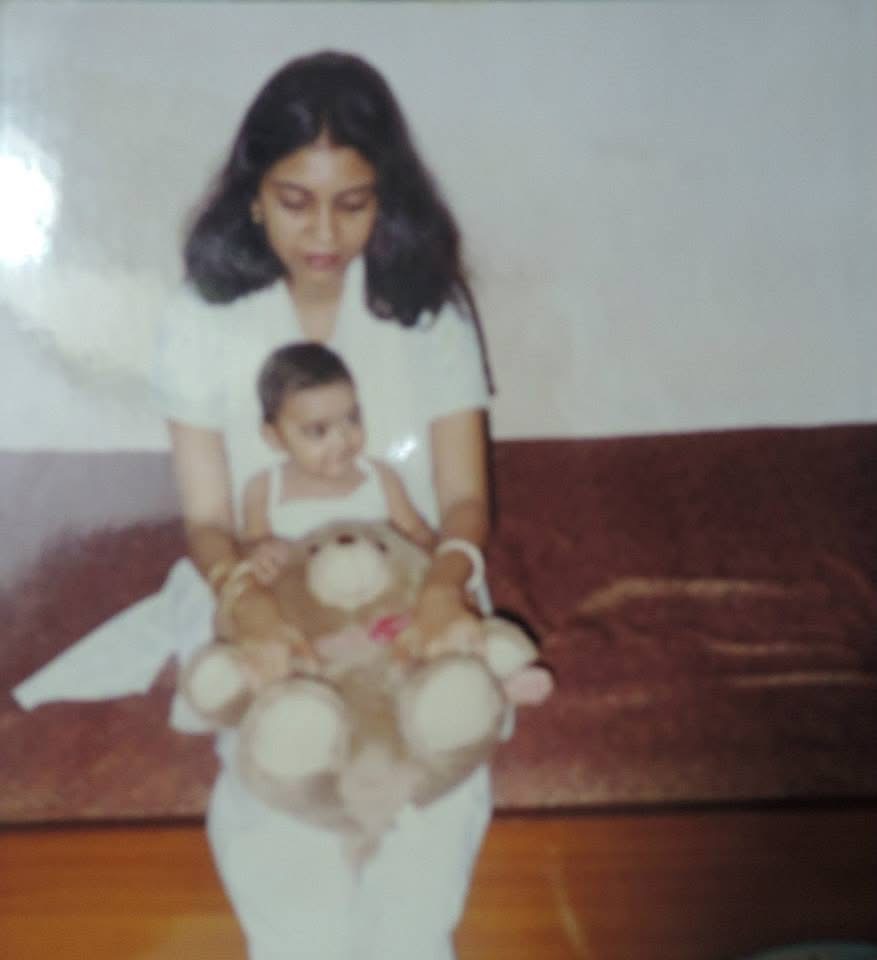
      This one’s for you mom and all the beautiful mothers out there! And these are few snippets from life ❤️

      Let me know your thoughts

    • The Mirror Principle: Reflecting Relationships

      A week or two ago I was talking to someone over Instagram and said something very mature which I later wrote on my Journal app and posted as a status on WhatsApp. Now before I dive into this blogpost- anyone remembers the Justin Timberlake song “Mirrors”? If you don’t, the following lyrics forms the centre point for this blog-

      ‘It’s like you’re my mirror

      My mirror staring back at me…’

      Okay enough of an introduction- let’s dive right in. During the aforementioned Instagram chat we were joking about human behaviour in correlation with one another. For example, you would not talk to your best friend the way you talk to your boss at the office. During such banter, my friend asked me to describe my own behaviour in as few words as possible- and in that very moment I came up with the perfect metaphor to give an answer to this question. I said I consider myself to be a mirror that does not distort the reality out of proportions. I am the mirror that reflects that reality with all its nuances. This is to say that I mimic the person in front or the person I’m having a conversation with. I give as much attention, respect, love, decency, importance etc as I have gotten from you.

      For years I have been the person who replied to texts within minutes or picked up a call on the first or third ring depending on my situation. It did not really matter if the person calling or texting was my best friend, partner, parents or an acquaintance – I was always available; till I wasn’t anymore. This change in behaviour showed me something very important- some times you have got to give back what you get- for your own sanity. Such a shift in my nature gave me clarity too- clarity about the people I want to keep in my circle. If you have been reading my blogs- you know the 50-30-20 principle I use for my emotional budgeting. While that is an effective tool to make sure that you are not bending yourself backward to help someone out- the same principle clubbed with my mirror analogy ensures an added filter. What exactly does it do? Let me give you an example with which most of us, if not all, would relate. You meet someone by happenstance maybe through a mutual friend, or at a club, or via an app or any other ways that are norms of the day. You talk to each other and there is an instant spark and you start talking to each other for longer hours characterised by prompt replies, words of affirmation or validation- maybe a little too much of that. You start feeling like having your dream-come-true moment. And then comes the period where the replies grow inconsistent. You start thinking what went wrong, if you should hav given them a chase rather than becoming all gooey and you start going down the spiral. You become restless and reply to a text received after 3 hours within 3 seconds and the whole cycle of waiting and wondering begins again. Sounds familiar? Well we have all been victims of this and more often than not we have blamed it on the heart- when all it’s doing is pumping blood!

      Now how does my mirror principle help here? The mirror principle states that I would be a reflection of how you treat me. For example, if you are a genuinely good texter- so am I, of course not at the cost of the work I have got to do. If you talk to me respectfully, I give it right back. If you pretend like you have to wait for your pigeon to send me back a reply by writing a letter without any valid reason- that’s exactly what you are going to get back. The fun thing about the mirror principle is that as long as you are giving back respect, validation, time – anything that is, in general, positive- no one would have any issues with you mimicing them. The problem starts when you start acting aloof with someone who has treated you like you don’t matter.

      It has taken me years to perfect this practice at the cost of losing out on connections, but you have got to prioritise your own sanity over connections who have a pattern of resurfacing when they need something from you. Know your worth! That’s it. This has been one of the most important lessons that has bamboozled people across generations. Some people understand it early on in life – our alpha males or alpha females with a mesmerizing personality. While some of us struggle understanding our worth in someone’s life, including me. So mirroring their actions after giving them a couple chances has helped me remain approachable but not at the cost of my self respect.

      So, what’s the takeaway from all of this? Simple—match energies, but don’t drain yourself trying to keep a connection alive when the effort isn’t mutual. The mirror principle isn’t about playing games; it’s about valuing yourself enough to give back only what you receive. And if someone finds it unfair, well, maybe they should take a good look at how they’ve been treating you. After all, a mirror never lies—it only reflects.

      At the end of the day, your time, attention, and emotions are valuable. If someone treats you with care, kindness, and consistency, you reciprocate. But if they make you feel like an afterthought, then why should you do any different? The beauty of the mirror principle is that it puts the power back in your hands—you’re no longer waiting, guessing, or overextending yourself. You simply reflect. And in doing so, you protect your peace, your dignity, and your worth.

    • The Iteration Cycle: Fostering Personal and Career Development

      Yesterday, I was reading Josh Kaufman’s “The Personal MBA”- what an amazing book to read if you want to start thinking rationally and get yourself acquainted with the nuances of business. I have forever thrived on knowing how various systems work; which is why I talk to people from all walks of life- try and get to know their field of interest. Another reason why I like this book is – it shows the expanse of the author’s knowledge. He doesn’t come off as a know-it-all but a scholar with a purpose of passing down the information to the next generations- basically democratise information around a field that’s complicated for the common man- and therefore considered to be shrouded in mystery.

      Well, that being said- I am not promoting the book or the author. This is not a paid advertisement. The reason why I write a few lines about the book is because I found my inspiration to write for this blog again in “The Personal MBA”. I came across a concept called “The Iteration Cycle”. It’s a basic concept applied to the field of business. The official definition goes something like this:

      “The Iteration Cycle is a process you can use to make anything better over time. There’s nothing wasteful about the inevitable changes and revisions that these artists made to their creations: every iteration brought the project one step closer to completion.”

      This made me think how difficult we have made things for ourselves and how the society has added even more baggage to it by convincing us that we need to get everything right the first time. For example, a 17 year old who thought that she was passionate about biology, according to society standards, dare not say that at the age of 24 she is now interested in business or management or maybe politics. I believe that humans are born with a tinge of hypocrisy in them. We can appreciate deviation when the same proves to be successful for the one person who has attained fame, otherwise, it’s a big no-no. In an excerpt preceding the definition of the concept behind the Iteration Cycle, Kaufman very beautifully says,

      The ceiling of the Sistine Chapel is covered with hundreds of millions of very small brushstrokes, each of which brought the resulting masterpiece one step closer to completion. It took Michelangelo millions of hammer strokes to turn a crude block of marble into David”.

      Now imagine yourself to be an artist creating a piece. Will you like every stroke of charcoal or pencil or brush on that blank canvas? Will you think of yourself as a failure if you need to use an eraser to undo something you just did? No right? You will look at the stroke, decide if you like it or not and erase it to approach it from a different angle. The thing that you won’t do is – do the same thing and expect different results. As long as you are improvising and pursuing your passion- sooner or later you will also have created your own masterpiece. Now if this is acceptable in any form of art- be it songwriting, painting, writing the first draft to your story or sports- then why not in life? Why are career changes looked at with a hint of disapproval? If you are not passionate about something, or if you don’t get excited about something the way you thought you would- stop pursuing it! That’s it. There is no better way of saying it. While it is a very cliche thing to say, it is true- if you don’t like what you do- you are meant for something else.

      As a society, we have taken away from ourselves the right to fail. Something that is intertwined with success in every way. Every single time we fail we take it to heart- because often times that is exactly how we are programmed. But how do we understand if our career’s prototype is suitable for us in the long run if we do not give ourselves the chance to fail? So give yourself the liberty to fail, to face a setback, go back to the basics and approach the problem from a different angle. As long as you are asking the right questions and not letting yourself become overwhelmed with emotions- you can always get up and try again. Consider your career to be an experiment and follow the below steps as suggested by Kaufman (although for a completely different scenario, but I think it fits perfectly here):

      • Observe what’s happening and identify something that you’d like to improve.
      • Design an experiment and identify the indicators that will tell you whether or not the prospective change is an improvement.
      • Conduct the experiment and collect data (Maybe do an internship in your preferred field and see if you genuinely like it?)
      • Evaluate the results of the experiment.
      • Accept or reject the change as an improvement.

      You were not meant to be acting according to the dictates of the society- so try out what you want to do and let yourself fail. No known success ever came without the unknown failures!

    • The 50-30-20 Rule: Time Over Money

      What do you think of when you hear the “50-30-20 rule”? Does your mind immediately take you to financial budgeting? Well, I don’t blame you in this regard. All our adult life we listen to this principle in relation to money and how to judiciously spend the same- ensure that we enjoy our present but save enough for our future and any emergencies that we might encounter in this lifetime. Most of us struggle maintaining this in today’s economy and therefore prioritise either of those goals while some of us have attained mastery in this subject. However, that is not to say that some of us are just reckless with money- it just means that our situations don’t allow us to follow a set of principles with regards to one of the most important resources of the human life: money.

      Now, I have a question to all of you- is money the most important resource that we have in this precious little life of ours? I believe not. I believe that it is one of the most important resources- to me time is more important than money. We have a chance of getting back the money we lost but not time. Time is transient- once it’s gone; it’s gone. Like, no matter how much we crave to get our childhood days back- we can never get them back. Therefore, my conclusion of time being more precious, more important and therefore deserves much more attention. So, what if I say that the 50-30-20 rule can also be applied to time and emotional availability?

      I have struggled with emotional availability for a long time till I had to take things into my own hands. I found it difficult to say to people that I was unavailable when they needed something for me. Due to this personality trait of mine I have ended up deprioritising myself or my own needs, until I devised a simple plan for myself. Each person has a certain emotional bandwidth and to just spend all of it on the wants and needs of others just does not sit right with me. Therefore the plan and in the spirit of democratising my life for my readers, I write this blog.

      THE 50-30-20 PLAN:

      The plan looks something like this:

      1. I assign 50% of my time to my professional network. This includes both my time as well as my emotional availability for cold emailing, LinkedIn networking, coffee chats, reading newspapers or newsletters, articles or simply indulge in any networking events. You might be thinking why the lion’s share of my availability goes into this segment of my life. Well, my career forms a huge part of my life. I have a dream life which I am working towards steadily and with somewhat poise. It might not be visible to the world and sometimes not even to me- but my rational mind knows I am progressing- no matter how insignificant. Therefore, a majority share of whatever my emotional bandwidth is goes into my career and into achieving my dream life- what it looks like is a discussion for a future blog post.
      2. Now what do I do with the rest 50% of my emotional bandwidth and time availability. Well, 30% of my time is for people I hold very close to my heart- my core circle. This includes my parents, grandparents and my friends. They are my second pillar. Each and every person in this circle contributes to my growth. While majority of them complement my journey, some challenge me. You can say that these are the people who give me my drive to grind towards that dream life for which I have assigned the first 50%. It sounds absurd to have a set time limit especially for your family- but that’s just how life is. As you progress through life, it demands discipline. If you overrun every family call or every video call with your childhood friend- you end up with a pile of errands that were due day before yesterday. So what do you do? You plan and give yourself room for error. You surround yourself with people who are low maintenance. They understand the struggles you are going through. They don’t get angry when you forget their birthdays or don’t post a status with a long message. Sure they feel bad, they might as well feel like you are taking them for granted- but they never let that ruin the beautiful bond you have! It’s noteworthy to mention this here- keep people like the ones I just described very very close to yourself.
      3. We have finally arrived at the last and final segment of this plan or tool. The final 20% – I owe to myself. What I do during this time is my decision. I might spend 99% of this time and emotional budget sleeping or binging an entire season of F.R.I.E.N.D.S or maybe listen to Taylor Swift’s discography-but this is my time. I owe myself this. Each one of us go through life taking ourselves for granted. Well, that stops now. We owe ourselves so much more. While focussing on the first 80% we forget ourselves- its not to say that every other person in our life don’t deserve our time, emotional engagement or love- but always remember while your parents, your beloved or partner, your friends play a very important part in your life and you might not have achieved what you have till now without them- you went through those struggles all by yourself. No one fought your battles for you. Sure they gave you the tools to fight with- but you bear the scars. You are the one who bled, you are the one who gave up to build the dream life for yourself, your parents and your partner. It was YOU. So again, the final 20% is mine and mine alone.

      That’s it. That’s how I budget my emotions and time. Is it easy to achieve this? No, like financial budgeting, this is difficult to achieve. You might end up hurting people you hold very dear- you distance yourself from them because their goals don’t match yours. You make mistakes- a lot of them maybe. But slowly it all makes sense. This system also acts like a filter paper for your personal life. The ones who love you without strings stays right beside you when you are figuring out how to make this tool maximise your potential. And the rest of the people? Well, they sometimes fade away. As my girl Gracie Abrams said, that’s just the way life goes.

    • The Impact of Taylor Swift on Modern Womanhood

      “I’m alone, on my own. And that’s all I know.

      I’ll be strong, I’ll be wrong, oh but life goes on.”

      — Taylor Swift; Debut (2006)

      Taylor Swift- everyone has heard her name in 2024. A global phenomenon who has repeatedly shattered records after records, have fought for what she believes in and has given us back our girlhood while fighting for her own. But none of these reasons made me a Swiftie. It sure made me believe that we made the right person famous but my admiration for Taylor began way before all of these things happened. I started this journey with a girl who stepped into country music and have continued to this day- when she has become a pop music sensation.

      Today I write this blog to pen down how Taylor has unknowingly shaped me to who I am today and how she will continue to do so for million souls out there.

      Girlhood. A simple word with a long list of expectations- the burden of which every woman out there has to bear from the moment she is born. We are taught how to smile politely like a woman, how to dress to not catch attention, how to eat, how to speak- and sometimes what exactly to say so that our image of the “good girl” remains unaffected- they really do want that 1950s sh** from us. Taylor shatters those shackles women grow up in. Her discography has shown us that it’s okay to pursue one’s dreams despite the societal shackles. As a woman myself, she is an inspiration. Her life, to some extent, gives us a peek into what is yet to come- her music – a guidebook that tells us time and again to keep going despite the challenges.

      Well with the scene set, I can now talk about how Taylor helped me navigate life in particular. As a woman, we are subjected to timelines set according to societal standards-

      • graduation by the time we are at least 22
      • if we want to pursue Masters- we get admitted to the course as soon as possible
      • complete masters by the age of 24

      Congratulations! You have arrived at your ideal age of getting married almost! Your “biological clock” is at its prime. Such a timeline haunts us continuously- some of us face this from our families; some from the society and some from both. Like I said in my last blog post- the thought of having my life planned out in advance scares me. Taylor showed me a new reality. She has attained new heights of success with each passing year and she has been in this industry for the past 18 years! It takes a lot of strength to dominate an industry for 18 long years and she has done that with grace. She has helped me redefine my idea of success or the timeline on which I was leading my life – considering myself a failure upon not attaining a particular goal.

      However, success did not come to her without obstacles. She did not succeed without struggles, she succeeded despite them- and that is what inspired me and continues to do so every step of the way. In the past few years, life has not been a cakewalk- not only for me but for many people I know. It has taken a lot of courage to get up each morning and give our best. It has taken more than just determination to do that. As for me, it feels like I have lost out more than I have gained. Although I did learn about myself- my limitations, my likes, dislikes, ethics, morals and whatnot- I paid a price. I grew distant from my friends back home as well as my family.

      This is not a sob story to say that I have had it difficult in the last few years.This is an acknowledgement of all those efforts by all those people who put on a brave face everyday. This is what Taylor has taught me- to have a positive impact on people’s lives no matter where they are or whether they know you. So if you are feeling lost today- sit down, close your eyes and think about how far you have come, how much you have achieved, how beautifully you have grown despite all the negativity and just remember:

      “Everything you lose is a step you take,

      So make the friendship bracelets,

      Take the moment and taste it,

      You got no reason to be afraid

      You’re on your own kid,

      Yeah you can face this….”

      – Taylor Swift “Midnights”, 2022

    • Uncertainty in Life: Embracing Change and Growth

      I sit by my window clueless- with a vacant stare in my eyes. The rain is pouring down right now – the usual British weather, but the melancholy in my mind makes it gloomier than it is. I have only one question in my mind today – “What’s next?” The sense of uncertainty engulfs me and I go down that spiral of emotions. I cry. It’s a little tear that rolls down my left cheek at first and then the right. I am crying profusely now and I don’t know how to stop these emotions. Amidst all of this, my mind takes me back to the first time I realised I wanted to study abroad.

      It was back in May 2020. The world was grappling with the shock of the havoc caused by Corona virus. The chatter of the constant news updates and ambulance sirens became rampant everywhere. During this time, I graduated online from college upon finishing my Bachelor’s degree and was planning on what to do next. Following a couple months of break- I rejoined St. Xavier’s College, Kolkata for their MA in Political Science program. Although the familiarity of the class structures, professors and classmates was extremely comforting during a time when we were in survival mode, my heart yearned for something more and I had no clue about what it was.

      Following graduation a lot changed. In August 2020, I published my first book. Few of my friends moved to different cities and few of them moved back to their hometowns and went on with their lives; while I sat on my bed in soft yellow lighting at midnight, struggling to understand what it is that I want.

      Soon I got fascinated by the idea of studying abroad, something I never planned on doing for my Masters degree. As some of you know, this fascination began a journey that would continue for months and would involve endless hours of research and writing SOPs for my target universities. I started researching about what it is that I wanted to do, where do I want to go and gradually the answer to the question “What next?” became clearer with every passing day. In September 2021, I embarked on my first international travel to pursue my Masters of Arts in Conflict, Security and Development in the UK. By the time I started my course, I had it all figured out:

      • Graduation in 2022
      • Job by 2023
      • First home by 2027
      • A pet on my 30th birthday…..and so on and so forth.

      You get the idea!

      But like I said in my last blog, life seldom follows a definite plan and maybe that’s what makes life so much more interesting and stressful at times. Imagine how mundane your life would be had you known- at exactly which point in your life are you gonna meet your soulmate, or by what age you’re gonna get your first job, or get into your dream school, or meet your role model- everything would have been charted out for you. Although sometimes being in the unknown scares the bejesus out of me- the thought of having my life planned out for me scares me more.

      I wouldn’t lie- I did manage to meet a few goals on this plan of mine- I did graduate from University of Sussex in 2022 and secured a job in 2022 itself- lucky me, right? I thought so too. But as life would have it, I started feeling like I should be aiming higher. I should challenge myself to attain greater heights and soon my plans changed again. Although the essence remained the same- my priorities shifted a bit. So now I am faced by that question again- the same sense of uncertainty I felt in 2020 is back. But this time the feeling is familiar. This time I am more prepared for change. I am older and wiser. But does that mean I am not scared of the uncertainty anymore? I am. I wake up at night with my heart beat racing and with small beads of sweat on my forehead bothered by the possibilities my future holds. However, now it’s a fleeting moment of self doubt which is followed by long periods of striving for what it is that I want and tackling life one day at a time.

      So while I sit on my bed and look out the window and witness the lives of people around me, I reiterate one thing over and over again:

      “There’s always gonna be another mountain
      I’m always gonna wanna make it move
      Always gonna be an uphill battle
      Sometimes I’m gonna have to lose
      Ain’t about how fast I get there
      Ain’t about what’s waiting on the other side
      It’s the climb”

      ~Miley Cyrus “The Climb”

    • UK (Penny’s version)

      Brighton, 12/10/2021
      Welcome to Midnight Musings, Chapter 2: UK (Penny’s version).

      My UK journey has been a myriad of emotions to say the least. From the highest highs to the lowest lows, this has been an adventure and sparring a few details I wouldn’t have it any other way.

      I came to the UK as a Masters degree student eager to explore the world, soak in the culture, learn from the best in their field but most of all to become independent. And I got to tick all of these off my bucket list. But everything came at a price. The picture above was taken on my first birthday in the UK. Growing up in a very close knit family my birthdays used to be a huge thing with my mom cooking my favourite dishes to my dad getting my favourite birthday cake- my day used to be all about the hustle. However, my first birthday in the UK was not like that.

      I remember starting the day at around 8 a.m. on a Tuesday morning of October to get my breakfast sorted followed by a 3 hour long class and a meeting with colleagues to discuss a topic decided by our professor for next week’s class. It was rough. I couldn’t concentrate throughout my class and felt homesick a lot. The time difference meant I wasn’t able to call my parents immediately so I confided about it in my flatmate who then took me out on a lunch date. Standing in the corner of a random street of Brighton, I felt the price I paid for my years of independence.

      Being an international student or even simply being an expat is hard and growing up watching movies that show you a distorted reality doesn’t make it easier. It unfolds a journey of learning and unlearning: I have had to forego habits that were dear to me and develop new ones. I have rediscovered myself or facets of my personality time and again. I have fought my own demons and come out of my comfort zone to adapt to the norms of the country: and in retrospect I have loved every bit of it.

      My life became an embodiment of the phrase "change is the only constant". I studied Political Science all my adult life and went on to work in finance and fell in love with it. I saw my life change drastically- from food habits to my Netflix watchlist. My icebreaker questions went from “How are you doing?” to “Bit chilly, innit?” overtime. I have had to learn to call my professors, my managers by their first names and be comfortable with it. Most of all, I have learnt about myself and have learnt to accept defeat.

      If I have to put three years of my life in one blog; more so in one paragraph this is what I would have to say: UK has been a rollercoaster ride with the best bunch of people. However, despite common misconceptions, your quality of life doesn’t immediately get better when you shift abroad. In my experience, it gets hard before it gets better.

      ·To be hungry for one whole day because your part-time job’s shift sneaked up on you during your assignments and you lost track of time and forgot to cook anything: it teaches you what life is.

      ·To have crippling self-doubt but still show up looking your best teaches you adaptability.

      ·Doing 18 hours work days including assignments, part-time job and your daily chores just in time to get enough sleep for months at end- teaches you to be resilient in a way nothing else can.

      All of this has made me want to give up many a times and go back but every time I kept asking myself: didn’t you always want this? Didn’t you always want to be independent? Didn’t you dream day in and day out of living abroad? And when the answer kept coming back as yes- it gave me strength to look life in the eye and say ‘bring it on!’.

      I found facets of me that would have stayed hidden had I not moved miles away from home. I found people who made me push my boundaries and become a better version of me. I found home in myself: became happy in my own skin; my own space. The other part of it has been a dream come true ✨; but more about that in the next one!

      Leaving a few snippets of the other half on here. I hope you enjoy. For now I leave you with one thing- believe in miracles, they happen ❤
      King’s Cross Station, October 2021
      University of Sussex, September 2021

      London, March 2022 ♥️